
Visiflora Review: Ingredients, Benefits, Side Effects & Price
Affiliate Disclosure: This article contains affiliate links. If you purchase through our links, Nutrivitalfit may earn a commission at no additional cost to you.
Visiflora is a dietary supplement marketed to support eye health, visual clarity, retinal wellness, and overall vision-related well-being. The product is promoted for adults interested in maintaining healthy eyesight and supporting normal visual function as they age.
Maintaining good eye health is important for everyday activities such as reading, driving, using digital devices, and recognizing objects at different distances. Factors such as aging, prolonged screen exposure, nutritional deficiencies, and certain medical conditions may influence visual comfort and eye health.
According to published Visiflora promotional materials, the supplement features a combination of vitamins, minerals, antioxidants, and botanical extracts. Advertised ingredients include Lutein, Zeaxanthin, Bilberry Extract, Saffron Extract, Vitamin A, Vitamin C, Vitamin E, Zinc, and other plant-derived compounds.
The seller promotes Visiflora as a supplement intended to support retinal health, macular wellness, eye comfort, and general visual performance.
Visiflora is also marketed around the concept of the “gut-eye connection,” which refers to an emerging area of scientific research exploring possible relationships between digestive health, inflammation, and eye health.
However, research into the gut-eye connection does not establish that taking Visiflora improves eyesight or prevents vision-related diseases.
Certain nutritional ingredients, including Lutein and Zeaxanthin, have been studied for their roles in eye health. Specific AREDS2 supplement formulations have demonstrated benefits for some people with age-related macular degeneration, but these results cannot automatically be applied to Visiflora.
There is insufficient independent clinical evidence demonstrating that the complete Visiflora formula restores eyesight, reverses existing vision problems, or reliably prevents age-related eye diseases.
In this Visiflora review, we explore the product’s advertised ingredients, potential benefits, possible side effects, usage instructions, pricing packages, and refund conditions. We also examine the available scientific evidence to help readers distinguish promotional claims from clinically established results.
Important: Visiflora is a dietary supplement, not a clinically established treatment for cataracts, glaucoma, macular degeneration, diabetic retinopathy, or other eye diseases. People experiencing persistent blurred vision, eye discomfort, or changes in eyesight should consult a qualified eye-care professional. Sudden vision loss requires emergency medical evaluation.
What Is Visiflora?
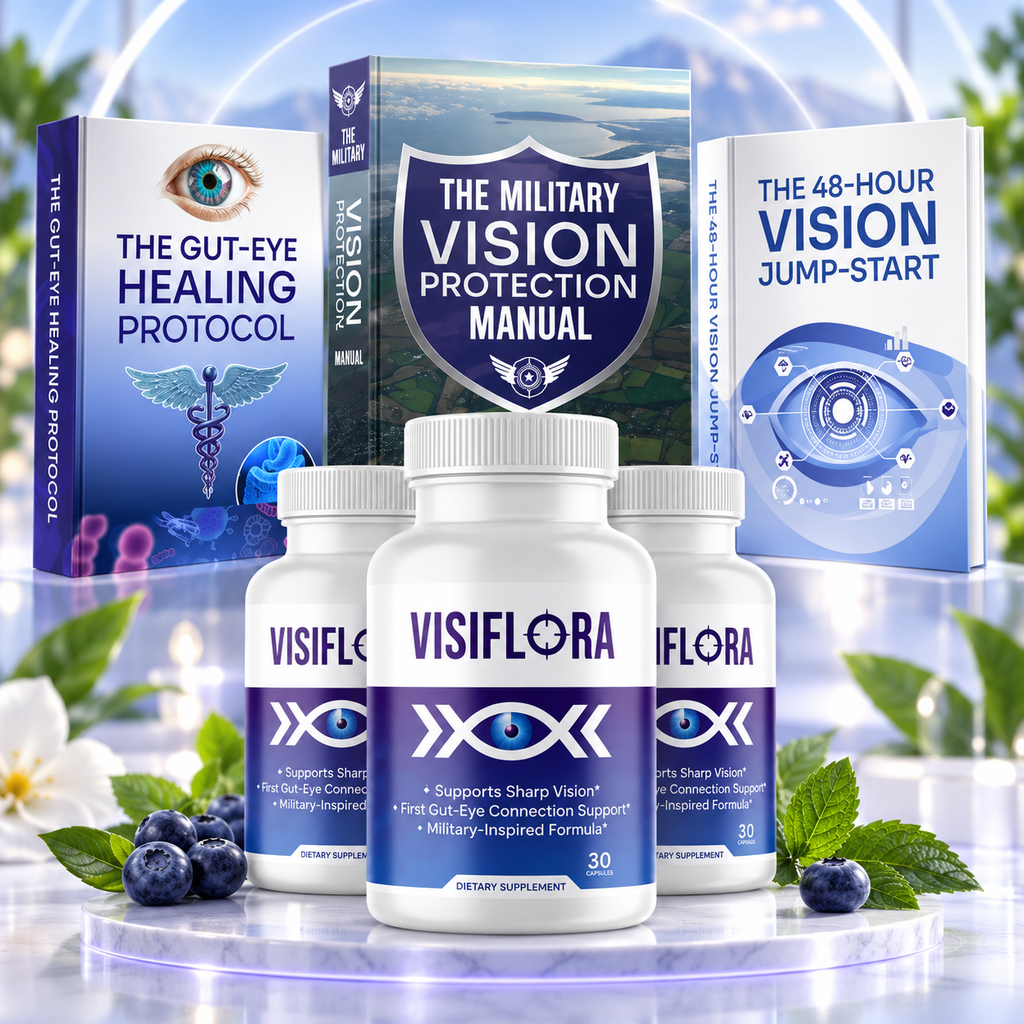
Visiflora is a dietary supplement marketed to support eye health, visual clarity, retinal wellness, and overall vision-related well-being. The product is available in capsule form and is promoted for adults interested in maintaining healthy eyesight as they age.
According to published promotional materials, Visiflora contains a combination of vitamins, minerals, carotenoids, antioxidants, and botanical extracts. Some sellers describe it as a 22-ingredient formula designed to support different aspects of eye and general wellness.
Advertised ingredients include Lutein, Zeaxanthin, Astaxanthin, Bilberry Extract, Saffron Extract, Vitamin A, Vitamin C, Vitamin E, Zinc, Grape Seed Extract, and other plant-derived compounds.
These ingredients have been investigated for various nutritional and biological properties, including their roles in normal visual function, antioxidant activity, and macular health.
Visiflora is promoted around the concept of the “gut-eye connection,” an emerging area of research examining possible relationships between intestinal microorganisms, immune activity, inflammation, and ocular health.
Some researchers have investigated whether changes in the gut microbiome are associated with eye conditions. However, this research is still developing, and the existence of a potential gut-eye relationship does not establish that Visiflora improves eyesight or prevents eye diseases.
The retina is the light-sensitive tissue located at the back of the eye. The macula, a small part of the retina, plays an important role in sharp central vision used for activities such as reading, driving, and recognizing faces.
Certain nutrients, including Lutein and Zeaxanthin, are naturally present in the macula and have been studied for their roles in eye health.
The National Eye Institute’s AREDS2 research demonstrated that a specific combination of vitamins and minerals can help slow the progression of age-related macular degeneration in certain patients. However, these findings cannot automatically be applied to Visiflora because its complete formulation and ingredient quantities may differ.
According to the seller, Visiflora is intended to support visual comfort, normal retinal function, macular wellness, and everyday eye health.
The product is also marketed toward adults concerned about prolonged screen exposure, occasional eye fatigue, and age-related changes in visual performance.
However, eye discomfort and changes in vision can have several underlying causes, including refractive errors, dry eye disease, cataracts, glaucoma, diabetic eye disease, and age-related macular degeneration.
Although some advertised Visiflora ingredients have been individually investigated for their nutritional properties, there is insufficient independent product-specific clinical evidence demonstrating that the finished supplement restores eyesight, reverses visual impairment, or reliably prevents eye diseases.
Visiflora should be considered an optional dietary supplement rather than a replacement for regular eye examinations, prescription glasses, medically appropriate treatments, or healthy lifestyle practices.
Important Information About Visiflora
Customers should verify the complete ingredient list, individual ingredient quantities, recommended dosage, and safety warnings on the current product packaging.
Different Visiflora promotional websites provide varying descriptions of the formula. These should not be treated as confirmation of the exact contents of every product sold under this name.
Important: Visiflora has not been established as a clinically proven treatment for cataracts, glaucoma, macular degeneration, diabetic retinopathy, or other eye disorders.
People experiencing persistent blurred vision, eye pain, or changes in eyesight should consult a qualified eye-care professional. Sudden loss of vision requires emergency medical evaluation.
Visiflora Ingredients Explained

Visiflora is marketed as a dietary supplement containing vitamins, minerals, carotenoids, antioxidants, and botanical extracts intended to support eye health, retinal wellness, and general visual function.
According to published promotional materials, Visiflora combines ingredients associated with macular nutrition, antioxidant activity, circulation, and the emerging gut-eye connection.
Although some individual ingredients have been investigated for their nutritional or biological properties, research involving these ingredients does not establish that the complete Visiflora formula improves eyesight or prevents eye diseases.
Below is an explanation of the ingredients listed in the seller’s promotional information.
1. Lutein
Lutein is a naturally occurring carotenoid found in foods such as spinach, kale, and other leafy green vegetables.
It is one of the major pigments present in the macula, the central region of the retina responsible for sharp, detailed vision.
Lutein has been studied for its ability to contribute to macular pigment and absorb certain wavelengths of blue light.
The National Eye Institute’s AREDS2 research included Lutein as part of a specific nutritional supplement formula that can slow the progression of age-related macular degeneration in certain patients.
However, these results cannot automatically be applied to Visiflora because its complete formulation and ingredient quantities may differ.
2. Zeaxanthin
Zeaxanthin is another carotenoid naturally present in the human retina, particularly in the macula.
It is found in certain vegetables and other foods and contributes to normal macular pigment.
Zeaxanthin is frequently studied alongside Lutein because both compounds participate in the eye’s natural light-filtering processes.
The AREDS2 supplement formula contains specific amounts of Lutein and Zeaxanthin.
However, there is insufficient independent clinical evidence demonstrating that the complete Visiflora formula improves visual acuity or prevents macular degeneration.
3. Bilberry Extract
Bilberry Extract is derived from the fruit of the bilberry plant, scientifically known as Vaccinium myrtillus.
Bilberries contain naturally occurring compounds called anthocyanins, which have been investigated for antioxidant properties.
Bilberry has traditionally been promoted for circulation and night-vision support.
However, scientific studies investigating bilberry and night vision have produced inconsistent results.
The most rigorous studies have not demonstrated reliable improvements in night vision among healthy individuals.
There is insufficient independent clinical evidence that Bilberry Extract in Visiflora improves eyesight, night vision, or retinal circulation.
4. Saffron Extract
Saffron is derived from the flower Crocus sativus and contains naturally occurring compounds such as crocin and crocetin.
These compounds have attracted research interest because of their antioxidant and other biological properties.
Some small clinical studies have investigated saffron preparations in relation to retinal function and certain age-related visual conditions.
However, these findings are preliminary and depend on the specific preparation and amount used.
There is insufficient independent evidence that Saffron Extract in the complete Visiflora formula restores eyesight, improves visual clarity, or treats macular degeneration.
5. Astaxanthin
Astaxanthin is a naturally occurring carotenoid responsible for the reddish color of certain marine organisms.
It has been investigated for antioxidant activity and potential effects on oxidative stress.
Some preliminary research has examined Astaxanthin-containing preparations for eye fatigue and visual comfort.
However, research involving particular preparations does not establish that every supplement containing Astaxanthin produces the same benefits.
There is insufficient independent clinical evidence demonstrating that Visiflora reduces digital eye strain or improves retinal health through its Astaxanthin content.
6. Vitamin A
Vitamin A is an essential fat-soluble nutrient involved in normal vision, immune function, and cellular processes.
It plays an important role in the formation of rhodopsin, a light-sensitive pigment needed for vision under low-light conditions.
Vitamin A deficiency can contribute to night blindness and other eye problems.
However, taking additional Vitamin A does not necessarily improve eyesight in people who already obtain adequate amounts.
Excessive intake of preformed Vitamin A can cause toxicity and may be particularly dangerous during pregnancy.
Customers should verify the form and quantity of Vitamin A listed on the current Visiflora label.
7. Vitamin C
Vitamin C is an essential water-soluble vitamin involved in collagen formation, antioxidant processes, and normal immune function.
It is naturally present in citrus fruits, berries, peppers, and other foods.
Vitamin C has been investigated in eye-health research because oxidative stress is involved in several biological processes affecting ocular tissues.
It is also one component of the established AREDS2 supplement formula.
However, this does not mean that Vitamin C alone prevents eye diseases or improves existing vision problems.
There is insufficient evidence that the complete Visiflora formula provides the same outcomes as AREDS2 supplementation.
8. Vitamin E
Vitamin E is a fat-soluble nutrient involved in protecting cell membranes from certain forms of oxidative damage.
It is naturally present in nuts, seeds, vegetable oils, and other foods.
Vitamin E is included in the AREDS2 formula alongside other nutrients.
However, the benefits observed with a specific combination of ingredients cannot automatically be attributed to Vitamin E alone.
Excessive supplemental Vitamin E may increase bleeding-related concerns, particularly in people taking certain medications.
Customers should verify their total intake from Visiflora and other dietary supplements.
9. Zinc
Zinc is an essential mineral involved in immune function, normal cellular processes, and numerous enzyme activities.
It is also associated with normal retinal function and Vitamin A metabolism.
Zinc is one of the minerals included in the AREDS2 supplement formula studied for specific stages of age-related macular degeneration.
However, the quantity of Zinc in Visiflora must be verified before comparing it with the clinically studied AREDS2 formula.
Excessive Zinc intake may cause nausea, digestive discomfort, and copper deficiency.
Taking additional Zinc does not necessarily improve eyesight in individuals without a relevant nutritional deficiency.
10. Copper
Copper is an essential trace mineral involved in normal energy metabolism, connective tissue formation, and antioxidant enzyme activity.
It contributes to several biological processes throughout the body.
Copper is included in the AREDS2 supplement formula partly to reduce the risk of copper deficiency associated with high-dose Zinc supplementation.
However, the presence of Copper does not establish that Visiflora prevents retinal damage or treats eye disease.
Customers should verify the Copper quantity and consider their total mineral intake from other supplements.
11. Selenium
Selenium is an essential trace element involved in normal thyroid function and antioxidant enzyme systems.
It contributes to the activity of proteins that help manage oxidative stress.
Selenium has been investigated for several nutritional and biological functions.
However, there is insufficient independent clinical evidence that Selenium supplementation improves vision in people who already obtain adequate amounts.
Excessive Selenium intake can cause unwanted effects, including gastrointestinal symptoms, hair loss, and nail changes.
12. Chromium
Chromium is a trace mineral commonly included in nutritional supplements marketed for metabolic wellness.
Certain forms of Chromium have been investigated for their potential involvement in carbohydrate metabolism and blood sugar regulation.
Because diabetes can affect eye health, normal metabolic health is important for overall well-being.
However, this does not establish that Chromium supplementation prevents diabetic retinopathy or restores visual function.
There is insufficient independent clinical evidence that Chromium in Visiflora provides meaningful eye-health benefits.
13. Grape Seed Extract
Grape Seed Extract contains naturally occurring compounds called proanthocyanidins.
These compounds have been investigated for antioxidant properties and possible effects on cardiovascular function.
Some studies have examined Grape Seed Extract preparations in relation to blood pressure and circulation.
Visiflora’s promotional materials associate Grape Seed Extract with its proposed gut-eye wellness approach.
However, there is insufficient independent clinical evidence that Grape Seed Extract improves the gut barrier in a way that measurably improves vision.
Research involving individual grape seed compounds cannot establish the effectiveness of the complete Visiflora supplement.
14. Rutin
Rutin is a naturally occurring plant compound belonging to the flavonoid family.
It is found in foods and plants such as buckwheat and certain citrus fruits.
Rutin has been investigated in laboratory research for antioxidant properties and possible effects on vascular processes.
The seller includes Rutin among the ingredients associated with Visiflora’s proposed gut-eye support formula.
However, laboratory antioxidant activity does not establish meaningful clinical benefits for eye health.
There is insufficient independent evidence that Rutin in Visiflora improves visual clarity or prevents ocular diseases.
15. Quercetin
Quercetin is a plant flavonoid naturally found in onions, apples, berries, and other foods.
It has been investigated for antioxidant and anti-inflammatory properties.
Some laboratory and preliminary research has examined Quercetin in relation to cellular and immune processes.
However, the effects observed in laboratory studies do not necessarily occur in humans taking dietary supplements.
There is insufficient independent clinical evidence demonstrating that Quercetin improves eyesight, protects the retina, or establishes the advertised gut-eye benefits of Visiflora.
16. Taurine
Taurine is a naturally occurring compound found in several tissues, including the retina.
It participates in various physiological processes associated with cellular function and nervous system activity.
Taurine has been investigated for its roles in retinal biology and cellular protection.
However, the fact that Taurine is present in retinal tissue does not establish that taking additional Taurine improves eyesight.
There is insufficient independent clinical evidence that Taurine in Visiflora treats retinal conditions or restores damaged visual function.
17. Alpha Lipoic Acid
Alpha Lipoic Acid is a naturally occurring compound involved in cellular energy metabolism.
It participates in biochemical processes associated with mitochondrial function.
Alpha Lipoic Acid has also been investigated for antioxidant properties and certain metabolic conditions.
Some research has examined its potential relevance to complications associated with diabetes.
However, findings involving metabolic health do not establish that Alpha Lipoic Acid prevents diabetic eye disease or improves vision.
There is insufficient independent clinical evidence supporting such outcomes from the complete Visiflora formula.
18. Ginkgo Biloba
Ginkgo Biloba is a botanical ingredient derived from the leaves of the Ginkgo tree.
Its extracts contain naturally occurring flavonoids and other plant compounds.
Ginkgo has been investigated for potential effects on circulation, cognition, and several health conditions.
Some research has examined Ginkgo preparations in relation to ocular circulation and glaucoma, but evidence remains insufficient to establish reliable treatment benefits.
Ginkgo may increase bleeding risk in people taking blood-thinning medications and can interact with other medicines.
There is insufficient independent clinical evidence that Ginkgo Biloba in Visiflora prevents glaucoma or improves retinal circulation enough to restore eyesight.
19. Coleus Forskohlii
Coleus Forskohlii is a botanical ingredient containing a compound called forskolin.
Forskolin has been investigated for effects on certain cellular signaling processes.
Some research has explored specific forskolin-containing eye preparations in relation to intraocular pressure.
However, studies involving eye drops or other specialized preparations cannot automatically be applied to oral supplements.
There is insufficient independent clinical evidence demonstrating that orally consumed Coleus Forskohlii in Visiflora treats glaucoma, reduces eye pressure, or improves vision.
20. Eyebright (Euphrasia officinalis)
Eyebright is a botanical ingredient traditionally associated with eye-related herbal preparations.
It contains naturally occurring plant compounds, including flavonoids and other phytochemicals.
Eyebright has a history of use in traditional herbal practices, but high-quality clinical research supporting its effectiveness for eye diseases is limited.
Traditional use does not establish that an ingredient restores vision or treats eye disorders.
There is insufficient independent clinical evidence that Eyebright in the complete Visiflora formula improves eyesight or relieves medically significant eye conditions.
21. Lycopene
Lycopene is a naturally occurring carotenoid found in tomatoes, watermelon, and certain other fruits.
It has been investigated for antioxidant properties and potential relationships with several aspects of general health.
Lycopene is not converted into Vitamin A in the body.
Although dietary carotenoids are an important area of nutritional research, evidence involving Lycopene does not establish that supplementation improves eyesight.
There is insufficient independent clinical evidence that Lycopene in Visiflora prevents cataracts, macular degeneration, or other eye diseases.
Important Information About Visiflora Ingredients
The ingredients discussed above are based on published Visiflora promotional information.
Although sellers describe Visiflora as a 22-ingredient formula, published ingredient lists are not completely consistent. Customers should confirm the full ingredient list and quantities from the current Supplement Facts panel.
Certain ingredients, especially Lutein, Zeaxanthin, Zinc, and antioxidant vitamins, have been investigated in established eye-health research.
However, results from the AREDS2 clinical trials apply to specific nutritional formulations and eligible patients with age-related macular degeneration.
These findings cannot automatically be applied to Visiflora.
Research involving individual botanical extracts also does not establish that the finished Visiflora supplement provides the same benefits.
Customers should review potential medication interactions, especially with ingredients such as Ginkgo Biloba, and avoid excessive intake of vitamins or minerals from multiple supplements.
Important: Visiflora has not been established as a clinically proven treatment for cataracts, glaucoma, macular degeneration, diabetic retinopathy, or other eye diseases.
People experiencing persistent visual difficulties should consult a qualified eye-care professional. Sudden vision loss requires emergency medical attention.
Potential Benefits of Visiflora

Visiflora is marketed as a dietary supplement intended to support eye health, macular wellness, retinal function, visual comfort, and general vision-related well-being.
Its advertised formula highlights carotenoids, vitamins, minerals, and botanical extracts associated with nutritional and antioxidant processes.
Below are four potential benefits discussed in Visiflora promotional materials, along with the limitations of available scientific evidence.
1. Supports Macular and Retinal Wellness
Visiflora is promoted as a supplement intended to support the macula, retina, and normal visual function.
The advertised formula includes Lutein and Zeaxanthin, two naturally occurring carotenoids found in the human macula.
These compounds contribute to macular pigment, which helps absorb certain wavelengths of light and participates in the eye’s natural protective processes.
Lutein and Zeaxanthin have attracted considerable scientific interest because of their roles in macular health.
The National Eye Institute’s AREDS2 studies demonstrated that a specific combination of vitamins, minerals, Lutein, and Zeaxanthin can help slow the progression of age-related macular degeneration (AMD) in certain patients.
However, these findings apply to the specific AREDS2 formulation and eligible patients, not automatically to Visiflora.
There is insufficient independent clinical evidence demonstrating that the complete Visiflora formula prevents macular degeneration, repairs retinal damage, or restores lost eyesight.
2. Promotes Visual Comfort and Eye Wellness
Visiflora is marketed toward adults interested in maintaining visual comfort during everyday activities such as reading, working, and using digital devices.
Its advertised ingredients include Astaxanthin, Bilberry Extract, Saffron Extract, and other botanical compounds investigated for their antioxidant properties.
Some preliminary clinical studies have examined certain Astaxanthin-containing formulations for visual fatigue and related outcomes.
Other research has explored Saffron Extract for possible effects on retinal function.
However, these studies used specific preparations, doses, and research methods. Their results cannot automatically be applied to the complete Visiflora supplement.
Eye discomfort during prolonged screen use can also result from reduced blinking, dry eyes, uncorrected vision problems, and extended periods of near-distance focus.
Regular screen breaks, appropriate lighting, and professionally recommended eye care may help address these concerns.
There is insufficient independent product-specific evidence that Visiflora reliably reduces digital eye strain, improves focusing ability, or eliminates visual fatigue.
3. Provides Antioxidant and General Eye-Health Support
Visiflora contains advertised ingredients such as Vitamin C, Vitamin E, Zinc, Grape Seed Extract, Bilberry Extract, and Astaxanthin.
These nutrients and botanical compounds have been investigated for antioxidant activity and other biological functions.
Antioxidants participate in processes that help protect cells against certain forms of oxidative damage.
Oxidative stress has been investigated in relation to aging and several eye conditions.
Vitamin C and Vitamin E contribute to normal antioxidant processes, while Zinc is involved in cellular functions and normal retinal biology.
Certain antioxidant vitamins and minerals are included in the clinically studied AREDS2 supplement formula.
However, the effectiveness of AREDS2 depends on its specific ingredient combination, quantities, and intended patient population.
The presence of individual antioxidant ingredients in Visiflora does not establish that the product provides the same clinical benefits.
Laboratory antioxidant activity also does not necessarily translate into measurable improvements in visual acuity or eye health.
There is insufficient independent clinical evidence demonstrating that the complete Visiflora formula prevents cataracts, glaucoma, retinal degeneration, or other eye diseases through antioxidant support.
4. Explores the Gut-Eye Connection and Overall Wellness
One of Visiflora’s main promotional features is its focus on the emerging concept known as the “gut-eye connection.”
The gut-eye connection refers to ongoing scientific research examining possible relationships between intestinal microorganisms, immune activity, inflammation, metabolic processes, and ocular health.
Researchers have investigated whether differences in the gut microbiome are associated with certain eye conditions, including age-related macular degeneration, diabetic retinopathy, glaucoma, and inflammatory eye diseases.
Some preliminary studies suggest that intestinal microorganisms and their metabolic products may influence biological pathways involved in inflammation and immune regulation.
However, much of this research is observational or experimental, and many important questions remain unanswered.
An association between gut microorganisms and eye conditions does not demonstrate that changing the gut microbiome through a particular supplement will improve eyesight.
Visiflora’s promotional materials associate its combination of botanical extracts and nutrients with gut-eye wellness.
However, there is insufficient independent clinical evidence that the complete Visiflora formula meaningfully changes the gut microbiome, improves retinal function through gut-related mechanisms, or prevents eye diseases.
Further well-designed human clinical trials are needed to establish whether microbiome-focused interventions provide measurable benefits for eye health.
Important Information About Visiflora Benefits
The potential benefits discussed above reflect Visiflora’s advertised product positioning and scientific research involving certain individual ingredients.
The effectiveness of the complete Visiflora formula for improving eyesight, visual clarity, retinal function, eye comfort, or gut-eye wellness has not been established through sufficient independent product-specific clinical research.
Certain ingredients, particularly Lutein and Zeaxanthin, have been studied in established eye-health research.
However, clinical benefits demonstrated with the AREDS2 formula cannot automatically be applied to Visiflora.
Results are not guaranteed, and individual responses to dietary supplements may vary.
Customers should verify the complete Supplement Facts panel, ingredient quantities, and manufacturer warnings before use.
Important: Visiflora is not a clinically proven treatment for cataracts, glaucoma, age-related macular degeneration, diabetic retinopathy, or other eye conditions.
People experiencing persistent blurred vision, eye discomfort, or changes in eyesight should consult a qualified eye-care professional.
Sudden vision loss requires emergency medical evaluation.
Maintaining healthy vision should prioritize regular eye examinations, balanced nutrition, management of existing medical conditions, and professionally recommended eye care.
Visiflora Side Effects and Safety
Visiflora is marketed as a dietary supplement containing vitamins, minerals, carotenoids, and botanical extracts intended to support eye health and general visual wellness.
Although many of these ingredients are commonly used in nutritional supplements, natural substances can still cause unwanted reactions or interact with medications.
The long-term safety of the complete Visiflora formula has not been established through sufficient independent, product-specific clinical research.
The safety considerations discussed below relate primarily to individual ingredients advertised in Visiflora promotional materials.
1. Possible Digestive Discomfort
Some vitamins, minerals, and botanical extracts may cause digestive symptoms in certain individuals.
Potential symptoms include:
- Nausea
- Stomach discomfort
- Bloating
- Diarrhea
- Changes in bowel habits
Zinc, one of the advertised ingredients in Visiflora, can cause nausea, vomiting, and digestive discomfort when consumed in excessive amounts.
Certain botanical preparations, including Ginkgo Biloba, may also cause gastrointestinal symptoms.
However, these ingredient-related effects do not establish how frequently digestive problems occur among Visiflora users.
Customers who experience persistent or troublesome symptoms after taking the supplement should discontinue use and consult a qualified healthcare professional.
2. Allergic Reactions and Ingredient Sensitivities
Visiflora promotional materials list several plant-derived ingredients, including Bilberry Extract, Saffron Extract, Grape Seed Extract, Eyebright, and Ginkgo Biloba.
Some individuals may be sensitive or allergic to particular botanical ingredients.
Possible allergic symptoms include itching, skin rashes, swelling, or other unwanted reactions.
Customers with known allergies to plants, herbal extracts, or supplement ingredients should carefully examine the current product label.
The complete formula may also contain capsule materials or inactive ingredients that should be checked before use.
The absence of a previously reported allergic reaction does not guarantee that Visiflora will be suitable for everyone.
Severe allergic reactions involving breathing difficulties, throat swelling, or fainting require immediate medical attention.
3. Potential Medication Interactions
Certain ingredients advertised in Visiflora may interact with prescription or over-the-counter medications.
Ginkgo Biloba and Blood-Thinning Medications
Ginkgo Biloba extracts may increase bleeding risk when taken with anticoagulant medications such as Warfarin.
People using blood-thinning or antiplatelet medications should seek professional advice before taking supplements containing Ginkgo.
Vitamin E and Bleeding-Related Precautions
High doses of supplemental Vitamin E may interfere with normal blood clotting.
This concern may be particularly relevant for people taking anticoagulant or antiplatelet medications.
However, the risk depends on the actual amount of Vitamin E consumed.
Alpha Lipoic Acid and Diabetes Medications
Alpha Lipoic Acid has been investigated for effects on glucose metabolism.
People taking blood-sugar-lowering medications should discuss the use of concentrated supplements containing this ingredient with their healthcare professional.
Other Botanical and Mineral Interactions
Certain botanical extracts and minerals may also interact with medications or affect their absorption.
Customers should inform their doctor or pharmacist about all medications and dietary supplements they use.
These concerns relate to individual ingredients and do not establish that the complete Visiflora formula causes the same interactions.
4. Excessive Vitamin and Mineral Intake
Visiflora promotional materials list Vitamin A, Vitamin C, Vitamin E, Zinc, Selenium, Copper, and Chromium.
These nutrients contribute to normal biological functions, but excessive supplementation may cause unwanted effects.
Vitamin A
Vitamin A plays an essential role in normal vision.
However, excessive intake of preformed Vitamin A can cause toxicity and may be harmful during pregnancy.
Beta-carotene is a different form of Vitamin A precursor and has a different safety profile. Customers should verify the specific form listed on their product label.
Vitamin E
High doses of supplemental Vitamin E may increase the risk of bleeding.
Zinc
Taking excessive amounts of Zinc over time can interfere with Copper absorption and contribute to Copper deficiency.
Selenium
Excessive Selenium intake may cause symptoms such as nausea, hair loss, brittle nails, and other health problems.
Customers should review the amounts of these nutrients in Visiflora alongside any multivitamins or other supplements they already take.
The presence of vitamins and minerals does not automatically mean that higher doses provide greater eye-health benefits.
5. Precautions for Existing Eye Conditions
Visiflora is marketed for visual clarity, macular wellness, and general eye health.
However, eye symptoms can have several underlying causes, including refractive errors, cataracts, glaucoma, diabetic eye disease, and age-related macular degeneration.
Dietary supplements should not replace regular eye examinations or medically appropriate treatment.
Certain nutritional formulations, such as AREDS2, have demonstrated benefits for specific patients with age-related macular degeneration.
However, these findings cannot automatically be applied to Visiflora because its formulation and ingredient quantities may differ.
People already taking AREDS2 supplements should consult their eye-care professional before adding Visiflora to avoid unnecessary duplication of vitamins and minerals.
Persistent blurred vision, eye discomfort, or worsening eyesight should be evaluated by a qualified eye-care professional.
Sudden vision loss, especially when accompanied by eye pain or neurological symptoms, requires emergency medical assessment.
6. Pregnancy, Breastfeeding, and Existing Medical Conditions
The safety of the complete Visiflora formula during pregnancy and breastfeeding has not been established through adequate product-specific clinical research.
Certain botanical ingredients, including Ginkgo Biloba, may require special precautions during pregnancy.
Excessive intake of preformed Vitamin A can also be harmful during pregnancy.
People who are pregnant, breastfeeding, or planning pregnancy should consult a qualified healthcare professional before using multi-ingredient dietary supplements.
Individuals managing liver disease, kidney disease, bleeding disorders, diabetes, or other chronic health conditions should seek medical guidance before use.
The product should not be assumed safe for children unless appropriate pediatric safety information is available.
Customers should also verify the complete ingredient list and recommended dosage before combining Visiflora with other supplements.
7. Long-Term Safety and Product Quality
The long-term safety of Visiflora has not been established through sufficient independent clinical research involving the complete finished product.
Although certain advertised ingredients have been individually investigated, these studies do not establish the safety of every combination of ingredients.
Different Visiflora promotional websites describe varying ingredient lists and formulation details.
For this reason, customers should verify the current Supplement Facts panel, ingredient quantities, manufacturing information, expiration date, and recommended serving size.
Customers should avoid exceeding the manufacturer’s recommended dosage or combining multiple eye-health supplements without professional guidance.
There is insufficient independent clinical evidence demonstrating that long-term Visiflora supplementation prevents eye diseases or produces sustained improvements in visual function.
Important Safety Information About Visiflora
The possible side effects and precautions described above are based primarily on research involving individual vitamins, minerals, and botanical ingredients advertised in Visiflora promotional materials.
These findings do not establish the frequency or severity of adverse reactions associated with the complete Visiflora formula.
Customers should verify the current ingredient list, serving quantities, manufacturer warnings, and any potential medication interactions before use.
Special caution is warranted for people taking blood-thinning medications, using other high-dose nutritional supplements, or managing existing medical conditions.
Important: Visiflora is a dietary supplement and should not replace medically appropriate treatment for cataracts, glaucoma, macular degeneration, diabetic retinopathy, or other eye conditions.
People experiencing persistent visual problems should consult a qualified eye-care professional. Sudden vision loss requires emergency medical attention.
Further independent product-specific clinical research is needed to establish the long-term safety and effectiveness of the complete Visiflora formula.
How to Use Visiflora
Visiflora is marketed as a capsule-based dietary supplement intended to support eye health, retinal wellness, visual comfort, and general vision-related well-being.
According to one published seller offer, the suggested serving is one capsule daily with a meal and a glass of water.
However, dosage recommendations differ between promotional websites. Customers should always follow the instructions printed on their actual product packaging.
Step 1: Read the Product Label
Before taking Visiflora, carefully review the information printed on the product bottle.
Check the complete Supplement Facts panel, recommended serving size, ingredient quantities, expiration date, and manufacturer warnings.
Visiflora promotional materials list several vitamins, minerals, carotenoids, and botanical extracts.
Some of these ingredients may interact with medications or require special precautions for people with existing medical conditions.
Individuals already taking AREDS2 supplements, multivitamins, or other eye-health products should consider their combined vitamin and mineral intake.
People taking prescription medications should consult a qualified healthcare professional before starting Visiflora.
Step 2: Follow the Recommended Daily Serving
One published Visiflora seller offer recommends taking one capsule daily.
The advertised product bottle contains 30 capsules, equivalent to approximately a 30-day supply at one capsule per day.
However, other promotional websites describe different dosage instructions.
Customers should verify the correct serving size on their actual product packaging rather than relying on third-party descriptions.
Do not exceed the recommended serving amount in an attempt to achieve faster results.
Taking additional capsules does not guarantee better eyesight, improved visual clarity, or greater protection against eye diseases.
Step 3: Take Visiflora With a Meal and Water
According to the seller’s published directions, Visiflora capsules should be swallowed with a glass of water during a meal.
Certain advertised nutrients, including Lutein, Zeaxanthin, and Vitamin E, are fat-soluble compounds.
Consuming fat-soluble nutrients with food containing some dietary fat can support their absorption.
However, this does not establish that Visiflora improves visual acuity or prevents eye diseases.
The seller does not establish a medically necessary time of day for taking the supplement.
Customers should follow the specific preparation and administration directions printed on their product packaging.
Step 4: Maintain a Consistent Routine
Visiflora is marketed as a supplement intended for regular daily nutritional use.
Taking the recommended serving with a familiar meal may help customers maintain a consistent routine.
However, daily use does not guarantee improvements in eyesight, visual clarity, retinal health, or eye comfort.
There is insufficient independent clinical evidence establishing how quickly the complete Visiflora formula produces measurable visual benefits.
Customers should not increase the dosage or extend supplementation based solely on promotional claims.
If a serving is missed, follow the product’s instructions or consult a pharmacist rather than taking extra capsules to compensate.
Step 5: Support Eye Health With Healthy Habits
Visiflora is marketed as part of a broader eye-wellness routine, but dietary supplements should not replace established eye-care practices.
Maintaining healthy vision involves several important habits.
These include eating a balanced diet, managing blood pressure and blood sugar, staying physically active, and attending recommended eye examinations.
People who spend long periods using digital devices may also benefit from regular screen breaks.
The 20-20-20 rule involves looking at something approximately 20 feet away for 20 seconds after every 20 minutes of screen use.
Wearing sunglasses that block 99–100% of UVA and UVB radiation can also help protect the eyes from harmful ultraviolet exposure.
These practices support general eye care independently of Visiflora supplementation.
There is insufficient evidence that Visiflora can replace these habits or prevent eye diseases.
Step 6: Store Visiflora Properly and Monitor for Reactions
Customers should follow the storage instructions printed on their Visiflora packaging.
Keep the bottle securely closed and protect it from conditions that may affect product quality.
Store dietary supplements out of reach of children and avoid using products after their expiration dates.
Discontinue Visiflora if unwanted symptoms occur that may be associated with the supplement, and seek medical advice when appropriate.
Possible ingredient-related concerns include digestive discomfort, allergic reactions, and medication interactions.
People taking blood-thinning medications should exercise particular caution because certain advertised ingredients, including Ginkgo Biloba, may affect bleeding risk.
Individuals experiencing persistent blurred vision, eye pain, or worsening eyesight should consult a qualified eye-care professional.
Sudden vision loss requires emergency medical attention.
Important Usage and Safety Information
Visiflora is a dietary supplement, not a prescription medication or an established treatment for eye diseases.
The effectiveness of the complete formula for improving visual acuity, preventing macular degeneration, reducing eye pressure, or treating retinal disorders has not been established through sufficient independent clinical research.
Customers should verify the current product label because promotional websites provide inconsistent dosage and formulation information.
Important: Always follow the manufacturer’s actual product-label instructions. Visiflora should not replace medically appropriate treatment for cataracts, glaucoma, macular degeneration, diabetic retinopathy, or other eye conditions.
People with existing medical conditions, those taking prescription medications, and individuals who are pregnant or breastfeeding should consult a qualified healthcare professional before using multi-ingredient dietary supplements.
Visiflora Price and Where to Buy
Visiflora is available through online purchasing packages containing different numbers of supplement bottles.
Customers can compare the total price, cost per bottle, shipping conditions, and available promotional bonuses before placing an order.
According to one published Visiflora seller offer, the following packages are advertised.
Starter Package – 2 Bottles
- Price: $79 per bottle
- Total: $158
- Supply: 60 days
- Small shipping fee applies.
- Three digital bonus guides advertised.
- 60-day money-back guarantee advertised.
Advanced Package – 3 Bottles
- Price: $59 per bottle
- Total: $177
- Supply: 90 days
- Free US shipping advertised.
- Three digital bonus guides advertised.
- 60-day money-back guarantee advertised.
Ultimate Package – 6 Bottles
- Price: $49 per bottle
- Total: $294
- Supply: 180 days
- Free US shipping advertised.
- Three digital bonus guides advertised.
- 60-day money-back guarantee advertised.
The six-bottle package provides the lowest advertised price per bottle under this offer, although it requires the highest upfront payment.
Visiflora Money-Back Guarantee
The seller advertises a 60-day money-back guarantee for Visiflora purchases.
According to the promotional offer, customers who are dissatisfied with their purchase may request a refund, subject to the seller’s current return conditions.
Customers should verify when the refund period begins, whether opened bottles qualify, the required return procedure, and any applicable shipping or handling charges.
The availability of a money-back guarantee does not establish that Visiflora will produce particular eye-health benefits.
Important Pricing Information
Prices, promotional offers, shipping charges, product availability, and refund conditions may change.
Different Visiflora promotional websites may advertise different package prices or purchasing conditions.
Customers should verify the final payable amount and current refund terms through their specific seller’s checkout page before purchasing.
Affiliate Disclosure: We may earn a commission if you purchase through our affiliate link, at no additional cost to you.
Frequently Asked Questions About Visiflora
1. What Is Visiflora Used For?
Visiflora is a dietary supplement marketed to support eye health, visual clarity, macular wellness, retinal function, and general vision-related well-being.
Its advertised formula contains vitamins, minerals, carotenoids, and botanical extracts, including Lutein, Zeaxanthin, Bilberry Extract, Saffron Extract, Zinc, and Vitamin A.
The product is also promoted around the emerging concept of the gut-eye connection.
However, Visiflora is intended as a nutritional supplement rather than a medically established treatment for eye diseases.
2. Does Visiflora Really Work?
Visiflora’s promotional materials highlight nutrients and botanical ingredients associated with eye health and antioxidant activity.
Some individual ingredients, particularly Lutein and Zeaxanthin, have been investigated in established eye-health research.
The National Eye Institute’s AREDS2 studies demonstrated benefits from a specific nutritional formula for certain patients with age-related macular degeneration.
However, these findings cannot automatically be applied to Visiflora because its complete formula and ingredient quantities may differ.
There is insufficient independent product-specific clinical evidence demonstrating that Visiflora reliably improves visual clarity, restores eyesight, or prevents eye diseases.
3. How Should I Take Visiflora?
One published Visiflora seller offer recommends taking one capsule daily with a meal and a glass of water.
The advertised bottle contains 30 capsules, providing approximately a 30-day supply at that serving size.
However, dosage instructions may differ between promotional websites or product versions.
Customers should always follow the serving size and usage instructions printed on their actual product packaging.
Do not exceed the recommended dosage without professional medical advice.
4. Is Visiflora Safe to Use?
Visiflora contains advertised vitamins, minerals, and botanical extracts that may cause unwanted reactions in some individuals.
Potential ingredient-related concerns include digestive discomfort, allergic reactions, excessive vitamin or mineral intake, and medication interactions.
Ginkgo Biloba, one of the advertised ingredients, may increase bleeding risk when combined with certain blood-thinning medications.
Excessive intake of nutrients such as Vitamin A, Vitamin E, Zinc, or Selenium may also present health risks.
The long-term safety of the complete Visiflora formula has not been established through sufficient independent clinical research.
People taking prescription medications or managing existing health conditions should consult a qualified healthcare professional before using Visiflora.
5. Can Visiflora Restore Eyesight or Reverse Vision Loss?
Visiflora has not been established as a clinically proven treatment for vision loss, cataracts, glaucoma, macular degeneration, or diabetic retinopathy.
Although certain vitamins and carotenoids contribute to normal eye function, taking additional nutrients does not necessarily restore damaged visual structures.
The clinically studied AREDS2 formula can help slow disease progression in certain patients with age-related macular degeneration, but it does not restore lost eyesight.
These findings should not be interpreted as evidence that Visiflora provides the same benefits.
People experiencing persistent blurred vision, eye pain, or worsening eyesight should consult a qualified eye-care professional.
Sudden vision loss requires emergency medical attention.
6. How Much Does Visiflora Cost?
One published Visiflora seller offer advertises the following purchasing packages:
- 2 Bottles: $158 ($79 per bottle)
- 3 Bottles: $177 ($59 per bottle)
- 6 Bottles: $294 ($49 per bottle)
The lowest advertised price of $49 per bottle requires purchasing the six-bottle package.
The seller advertises free US shipping for the three- and six-bottle packages, while a shipping fee applies to the two-bottle package.
Digital bonus guides may also be included with eligible orders.
Prices, shipping eligibility, promotional bonuses, and package availability may change.
Customers should verify the latest prices and final checkout amount through their specific seller’s offer page before purchasing.
7. Does Visiflora Offer a Money-Back Guarantee?
The seller advertises a 60-day money-back guarantee for Visiflora purchases.
According to the promotional offer, customers who are dissatisfied with their purchase may request a refund subject to the seller’s current return conditions.
Customers should verify the refund period, return eligibility, required procedures, and any applicable shipping or handling charges before placing an order.
They should also retain their order confirmation and contact the seller’s customer support team if assistance is needed.
A money-back guarantee does not establish that Visiflora will produce particular eye-health benefits.
Customers should carefully review the current refund policy on the seller’s website before purchasing.
Final Verdict: Is Visiflora Worth Buying?
Visiflora is a dietary supplement marketed to support eye health, visual clarity, macular wellness, retinal function, and overall vision-related well-being.
Its advertised formula highlights ingredients such as Lutein, Zeaxanthin, Bilberry Extract, Saffron Extract, Astaxanthin, Zinc, and antioxidant vitamins.
Although some of these ingredients have been investigated for their nutritional properties and potential roles in eye health, there is insufficient independent clinical evidence demonstrating that the complete Visiflora formula reliably improves eyesight, restores lost vision, or prevents eye diseases.
What We Like About Visiflora
- The advertised formula includes Lutein and Zeaxanthin, two carotenoids naturally present in the human macula.
- Contains vitamins and minerals associated with normal eye function and general nutritional wellness.
- Certain ingredients have been investigated in established eye-health research.
- Available in capsule form, which may be convenient for adults who prefer nutritional supplements.
- The product offers several purchasing packages at different price points.
- Some advertised packages include digital bonus guides.
- The seller advertises a 60-day money-back guarantee, subject to its current refund conditions.
Things to Consider Before Buying
- There is insufficient independent product-specific clinical evidence demonstrating that the complete Visiflora formula improves visual acuity or prevents eye diseases.
- Visiflora has not been established as a treatment for cataracts, glaucoma, macular degeneration, or diabetic retinopathy.
- The benefits demonstrated with specific AREDS2 formulations cannot automatically be applied to Visiflora.
- The seller’s gut-eye connection claims are based on an emerging area of research and have not been clinically established for this product.
- Some advertised botanical ingredients may cause digestive discomfort, allergic reactions, or medication interactions.
- Ginkgo Biloba may increase bleeding-related risks when combined with certain medications.
- Excessive intake of vitamins and minerals from multiple supplements may cause unwanted health effects.
- Customers should verify the complete ingredient list and quantities on the current product packaging.
- The lowest advertised price of $49 per bottle requires purchasing six bottles, totaling $294 under the previously described offer.
- Prices, shipping charges, promotional bonuses, and refund conditions may change.
Our Final Verdict
Visiflora may appeal to adults interested in exploring nutritional supplements intended for general eye-health support.
Its advertised combination of carotenoids, vitamins, minerals, and botanical ingredients includes compounds that have attracted scientific interest for their roles in normal visual function and general wellness.
However, we would not recommend relying on Visiflora to restore lost eyesight, reverse age-related vision changes, improve persistent blurred vision, or prevent serious eye diseases.
There is insufficient independent clinical research demonstrating that the complete Visiflora formula produces these outcomes.
Although the National Eye Institute’s AREDS2 research supports specific nutritional formulations for certain patients with age-related macular degeneration, these findings should not be interpreted as evidence that Visiflora provides equivalent benefits.
For individuals concerned about maintaining healthy eyesight, regular eye examinations, balanced nutrition, appropriate UV protection, and management of existing medical conditions remain important.
People experiencing ongoing eye discomfort, blurred vision, or worsening eyesight should seek evaluation from a qualified eye-care professional. Sudden vision loss requires emergency medical attention.
For readers who remain interested in Visiflora, we recommend checking the current Supplement Facts panel, serving recommendations, purchasing packages, shipping conditions, and refund policy before making a decision.
Final Recommendation: Visiflora should be viewed as an optional dietary supplement rather than a clinically proven solution for vision loss or eye disease. Purchasing decisions should be based on realistic expectations, individual health circumstances, professional medical advice when appropriate, and verified product information.