
Prostadine Review: Ingredients, Benefits, Side Effects & Price
Affiliate Disclosure: This article contains affiliate links. If you purchase through our links, Nutrivitalfit may earn a commission at no additional cost to you.
Prostadine is a liquid dietary supplement marketed to support prostate health, normal urinary function, bladder wellness, and overall men’s urinary health.
Unlike traditional prostate supplements available in capsule or tablet form, Prostadine is advertised as a liquid formula supplied in a dropper bottle.
The product is primarily marketed toward adult men interested in maintaining prostate wellness, supporting comfortable urination, and managing everyday concerns associated with urinary health.
The prostate is a small gland located below the bladder and surrounding part of the urethra, the tube that carries urine out of the body.
It plays an important role in the male reproductive system by contributing fluid to semen.
As men age, changes in prostate size and function can sometimes affect urinary habits.
One common condition is benign prostatic hyperplasia (BPH), which refers to noncancerous enlargement of the prostate gland.
BPH can contribute to symptoms such as frequent urination, waking during the night to urinate, difficulty starting urination, a weak urine stream, or a feeling that the bladder has not emptied completely.
However, urinary symptoms can also result from infections, bladder conditions, medications, prostate cancer, and other medical problems.
According to published Prostadine promotional materials, the formula combines botanical extracts, minerals, and seaweed-derived ingredients.
The nine advertised ingredients include:
- Nori Yaki Extract Powder
- Wakame Extract
- Kelp Powder
- Bladderwrack Powder
- Saw Palmetto
- Pomegranate Extract
- Iodine
- Shilajit
- Neem
These ingredients are promoted for their potential relationships with antioxidant activity, nutritional wellness, and normal prostate or urinary function.
Some individual ingredients, particularly Saw Palmetto, have been investigated in clinical research involving urinary symptoms associated with prostate enlargement.
However, the scientific findings are not consistently positive.
According to the National Institutes of Health, a 2023 review of 27 studies found that Saw Palmetto used alone generally provided little or no improvement in urinary symptoms associated with benign prostatic hyperplasia.
Other advertised ingredients, including Pomegranate and certain seaweed extracts, contain naturally occurring compounds that have attracted scientific interest for their nutritional or antioxidant properties.
However, antioxidant activity observed in laboratory research does not establish that an ingredient reduces prostate enlargement, restores urinary flow, or treats prostate disorders.
Research involving individual ingredients also cannot establish that the complete Prostadine formula produces the same effects.
There is insufficient independent product-specific clinical evidence demonstrating that Prostadine reliably improves urinary symptoms, reduces prostate size, prevents prostate cancer, or treats benign prostatic hyperplasia.
The seller also promotes the convenience of its liquid delivery format.
However, the use of a dropper does not automatically establish improved absorption, effectiveness, or safety compared with other supplement formats.
The effectiveness and safety of the finished product depend on its actual formulation, ingredient quantities, individual medical circumstances, and the quality of supporting scientific evidence.
In this comprehensive Prostadine review, we examine the supplement’s advertised ingredients, potential benefits, possible side effects, usage instructions, pricing packages, and money-back guarantee.
We also evaluate the available scientific evidence to help readers distinguish promotional claims from clinically established results.
Important Information About Prostadine
Prostadine is a dietary supplement, not a prescription medication or an established treatment for prostate enlargement, urinary tract infections, or prostate cancer.
Certain advertised ingredients, particularly Iodine and iodine-containing seaweeds such as Kelp and Bladderwrack, may require precautions for people with thyroid disorders.
Excessive iodine intake can interfere with normal thyroid function.
Customers should carefully review the complete Supplement Facts panel, individual ingredient quantities, recommended serving size, and manufacturer warnings.
Important: Prostadine should not replace medically appropriate evaluation or treatment for benign prostatic hyperplasia, prostatitis, prostate cancer, or other urinary conditions.
Men experiencing persistent urinary frequency, difficulty urinating, a weak urine stream, or worsening bladder symptoms should consult a qualified healthcare professional.
Sudden inability to urinate requires urgent medical attention. Blood in the urine or fever accompanied by painful urination also warrants prompt medical assessment.
Maintaining prostate and urinary health should prioritize appropriate medical screening, established treatments when necessary, healthy lifestyle habits, and professional medical guidance.
What Is Prostadine?
Prostadine is a liquid dietary supplement marketed to support prostate health, normal urinary function, bladder wellness, and general men’s health.
Unlike traditional prostate supplements that come in capsules or tablets, Prostadine is advertised as a liquid formula supplied in a dropper bottle.
The product is primarily promoted toward adult men who are interested in maintaining urinary comfort and supporting normal prostate function as they age.
According to promotional materials, Prostadine combines nine ingredients derived from marine plants, botanical sources, and minerals.
The seller advertises the supplement as a convenient addition to a daily wellness routine.
However, the presence of plant extracts and naturally occurring minerals does not establish that Prostadine reliably improves urinary symptoms or treats prostate conditions.
What Is the Prostate and Why Is It Important?
The prostate is a small gland located below the bladder and in front of the rectum.
It surrounds part of the urethra, the tube responsible for carrying urine from the bladder out of the body.
The prostate contributes fluid to semen and plays an important role in male reproductive function.
As men age, the prostate may undergo changes in size and function.
One common condition is benign prostatic hyperplasia (BPH), which refers to noncancerous enlargement of the prostate.
An enlarged prostate can place pressure on the urethra and contribute to urinary difficulties.
Common symptoms may include:
- Frequent urination
- Waking during the night to urinate
- Difficulty starting urination
- Weak or interrupted urine flow
- Sudden urinary urgency
- A feeling of incomplete bladder emptying
- Dribbling after urination
However, these symptoms do not always indicate prostate enlargement.
Urinary problems can also result from bladder disorders, urinary tract infections, prostatitis, medications, and other medical conditions.
Men experiencing persistent or worsening urinary symptoms should seek professional medical evaluation rather than relying solely on dietary supplements.
How Is Prostadine Supposed to Work?
According to promotional materials, Prostadine is designed to provide a combination of nutrients and botanical compounds associated with prostate and urinary wellness.
The seller emphasizes ingredients such as Saw Palmetto, Pomegranate Extract, Iodine, and several seaweed-derived extracts.
Some of these ingredients contain naturally occurring antioxidant compounds.
Antioxidants have been investigated for their possible roles in protecting cells from certain types of oxidative damage.
Oxidative stress occurs when the production of reactive molecules exceeds the body’s ability to manage them through normal protective processes.
Researchers have investigated oxidative stress in relation to numerous health conditions, including certain prostate disorders.
However, the presence of antioxidants in a supplement does not establish that the finished product prevents prostate enlargement, reduces inflammation, or improves urinary function.
Prostadine promotional materials also associate certain ingredients with hormonal balance and normal prostate activity.
For example, Saw Palmetto has been studied for urinary symptoms associated with benign prostatic hyperplasia.
However, a 2023 systematic review of 27 studies found that Saw Palmetto used alone generally provided little or no improvement in BPH-related urinary symptoms.
These findings do not establish whether the complete Prostadine formula produces meaningful benefits.
There is insufficient independent product-specific clinical evidence demonstrating that Prostadine improves urinary flow, reduces prostate size, or treats prostate disorders.
What Ingredients Does Prostadine Contain?
Published Prostadine promotional materials list nine ingredients.
1. Nori Yaki Extract Powder
Nori is an edible seaweed containing naturally occurring minerals and other nutrients.
It is commonly consumed in Japanese cuisine and has been investigated for its nutritional properties.
However, there is insufficient clinical evidence demonstrating that Nori Extract treats prostate enlargement or improves urinary symptoms.
2. Wakame Extract
Wakame is a marine algae containing naturally occurring compounds, including certain polysaccharides and minerals.
Researchers have investigated some seaweed compounds for antioxidant and other biological properties.
These findings do not establish that Wakame Extract improves prostate or bladder function.
3. Kelp Powder
Kelp is a type of brown seaweed that can contain substantial amounts of iodine.
Iodine is an essential mineral required for normal thyroid hormone production.
However, excessive iodine exposure may disrupt thyroid function, particularly among susceptible individuals.
Kelp has not been established as a treatment for benign prostatic hyperplasia.
4. Bladderwrack Powder
Bladderwrack is another iodine-containing brown seaweed.
It has a history of use in traditional herbal preparations.
However, clinical evidence supporting its effectiveness for prostate health or urinary symptoms remains insufficient.
5. Saw Palmetto
Saw Palmetto is a botanical ingredient derived from the berries of Serenoa repens.
It has been extensively investigated for urinary symptoms associated with enlarged prostate.
According to the National Institutes of Health, the overall evidence indicates that Saw Palmetto alone provides little or no meaningful relief for BPH symptoms.
The results of these studies cannot establish that Prostadine is effective.
6. Pomegranate Extract
Pomegranate contains naturally occurring polyphenols and other compounds investigated for antioxidant activity.
Some studies have explored Pomegranate Extract in relation to prostate-related biological processes.
However, there is insufficient evidence that Pomegranate Extract reliably improves urinary symptoms or prevents prostate cancer.
7. Iodine
Iodine is an essential nutrient involved in thyroid hormone production.
Although adequate iodine intake supports normal thyroid function, consuming additional iodine does not necessarily improve prostate health.
Prostadine also advertises several iodine-containing seaweed ingredients.
Customers should therefore verify their total iodine intake from the supplement and other dietary sources.
8. Shilajit
Shilajit is a naturally occurring mineral-rich substance used in certain traditional medical systems.
It contains a mixture of organic and inorganic compounds.
Some preliminary studies have investigated Shilajit for various health-related outcomes.
However, there is insufficient independent clinical evidence demonstrating that Shilajit improves urinary function or treats prostate enlargement.
Product purification and quality testing are also important considerations.
9. Neem
Neem is derived from the Azadirachta indica tree.
Various Neem preparations have been investigated in laboratory research for antimicrobial and other biological properties.
However, laboratory findings do not establish that Neem supplements treat urinary tract infections or improve prostate health in humans.
Customers should verify the complete Supplement Facts panel and individual ingredient quantities before purchasing Prostadine.
What Is Prostadine Marketed For?
Prostadine is primarily advertised toward adult men interested in supporting everyday prostate and urinary wellness.
Its promotional materials emphasize several proposed benefits, including:
- Supporting normal prostate function
- Maintaining comfortable urinary flow
- Supporting bladder wellness
- Promoting general urinary health
- Supporting overall men’s wellness
Some promotional websites also associate the product with reducing nighttime bathroom visits and improving urinary comfort.
However, these advertised benefits should not be confused with scientifically established results.
Urinary symptoms can have different medical causes, and an ingredient’s nutritional properties do not establish that it treats those causes.
There is insufficient independent clinical evidence demonstrating that the complete Prostadine formula reliably reduces nighttime urination, restores normal urinary flow, or reduces prostate enlargement.
How Is Prostadine Different From Prescription Prostate Treatments?
Prostadine is sold as a dietary supplement rather than a prescription medication.
Prescription treatments for benign prostatic hyperplasia are evaluated for specific medical uses.
Depending on the patient’s condition, healthcare professionals may recommend treatments such as alpha blockers or 5-alpha reductase inhibitors.
Alpha blockers can relax muscles around the prostate and bladder neck, making urination easier.
Certain 5-alpha reductase inhibitors can reduce prostate enlargement over time.
These treatments have been evaluated in clinical research.
Prostadine has not been established as an equivalent alternative to approved BPH medications.
The seller’s use of a liquid dropper format does not demonstrate that the product works faster or more effectively than medically established treatments.
Men already receiving treatment for prostate or urinary conditions should not discontinue prescribed medications or delay recommended medical evaluation because of supplement advertising.
Important Information About Prostadine
Prostadine is a liquid dietary supplement marketed to support prostate and urinary wellness.
Although certain ingredients have been investigated for their nutritional or biological properties, there is insufficient independent clinical evidence demonstrating that the complete formula produces meaningful improvements in prostate function.
Particular caution is warranted because the advertised ingredients include Iodine, Kelp, Wakame, Nori, and Bladderwrack.
Several of these marine ingredients may contribute to overall iodine intake.
Excessive iodine consumption can affect thyroid function and may interact with certain medications or existing thyroid conditions.
Customers should review the manufacturer’s complete Supplement Facts panel, individual ingredient quantities, serving recommendations, and safety warnings.
Important: Prostadine is not a clinically established treatment for benign prostatic hyperplasia, prostatitis, urinary tract infections, prostate cancer, or other urological conditions.
Men experiencing persistent urinary frequency, weak urine flow, difficulty starting urination, or worsening urinary symptoms should consult a qualified healthcare professional.
Sudden inability to urinate requires urgent medical attention. Blood in the urine, or fever with painful urination, also warrants prompt medical assessment.
Maintaining prostate and urinary health should prioritize appropriate medical evaluation, established treatment when necessary, and healthy lifestyle practices.
Further independent clinical research is needed to establish the effectiveness and long-term safety of the complete Prostadine formula.
Prostadine Ingredients Explained

Prostadine is marketed as a liquid dietary supplement containing a combination of seaweed extracts, botanical ingredients, and minerals intended to support prostate health, urinary comfort, and general men’s wellness.
According to published promotional materials, Prostadine contains nine advertised ingredients: Nori Yaki Extract Powder, Wakame Extract, Kelp Powder, Bladderwrack Powder, Saw Palmetto, Pomegranate Extract, Iodine, Shilajit, and Neem.
Several ingredients have been investigated individually for nutritional or biological properties. However, research involving individual ingredients does not establish that the complete Prostadine formula reliably improves prostate function or urinary symptoms.
Below is a detailed explanation of the nine advertised ingredients, including their potential roles, scientific evidence, and safety considerations.
1. Nori Yaki Extract Powder
Nori Yaki is derived from edible seaweed commonly used in Japanese cuisine.
Nori belongs to a group of marine algae that contain naturally occurring minerals, vitamins, proteins, and other compounds.
Certain seaweed preparations have attracted scientific interest because of their antioxidant properties and nutritional composition.
Some laboratory studies have investigated marine algae for potential effects on oxidative stress and cellular processes.
Oxidative stress occurs when the production of reactive molecules exceeds the body’s normal protective capacity.
Although oxidative stress has been studied in relation to prostate health, antioxidant activity observed in laboratory experiments does not establish that Nori Yaki Extract prevents prostate enlargement or improves urinary function.
Prostadine promotional materials associate Nori Yaki with supporting prostate wellness.
However, there is insufficient high-quality human clinical evidence demonstrating that Nori Yaki Extract reduces nighttime urination, improves urinary flow, or treats benign prostatic hyperplasia.
Seaweed products may also contain iodine in varying quantities.
Customers should verify the amount of Nori Yaki Extract and the total iodine content of their actual supplement.
2. Wakame Extract
Wakame is an edible brown seaweed scientifically known as Undaria pinnatifida.
It is traditionally consumed in several Asian cuisines and contains naturally occurring minerals, dietary fibers, and bioactive compounds.
Some Wakame preparations contain polysaccharides such as fucoidan, which have been investigated in laboratory and animal research.
Researchers have examined certain marine polysaccharides for antioxidant, immune-related, and other biological effects.
However, laboratory findings cannot establish clinical benefits in humans.
Prostadine promotional materials associate Wakame Extract with supporting normal bladder function and urinary wellness.
There is insufficient independent clinical evidence demonstrating that Wakame Extract improves bladder emptying, reduces urinary urgency, or treats prostate enlargement.
Wakame can also contribute iodine to the diet.
The iodine content of seaweed preparations varies depending on the species, growing conditions, processing methods, and extract formulation.
People with existing thyroid disorders should consult a qualified healthcare professional before using supplements containing concentrated iodine-rich seaweed extracts.
The complete Prostadine formula has not been independently established as effective for urinary wellness through its Wakame content.
3. Kelp Powder
Kelp refers to several species of large brown seaweed found in marine environments.
Kelp is known for containing naturally occurring minerals, particularly iodine.
Iodine is an essential nutrient required for the production of thyroid hormones.
Thyroid hormones play important roles in normal growth, energy metabolism, and numerous physiological processes.
Because of its mineral content, Kelp is included in some dietary supplements marketed for nutritional wellness.
However, obtaining adequate iodine is different from consuming additional iodine to treat prostate or urinary conditions.
There is insufficient reliable clinical evidence demonstrating that Kelp Powder reduces prostate size, improves urinary flow, or treats benign prostatic hyperplasia.
Safety Considerations
Kelp may contain substantial and highly variable quantities of iodine.
According to the National Institutes of Health, excessive iodine intake can interfere with normal thyroid function.
The tolerable upper intake level for iodine in adults is 1,100 micrograms per day from all dietary sources combined.
Certain people with thyroid disorders may experience unwanted effects at lower intakes.
Because Prostadine also advertises Iodine, Wakame, Nori, and Bladderwrack, customers should verify the total iodine content of the complete formula.
People taking thyroid medication or managing existing thyroid conditions should obtain professional medical advice before using iodine-rich supplements.
4. Bladderwrack Powder
Bladderwrack, scientifically known as Fucus vesiculosus, is a brown seaweed found in coastal waters.
It contains naturally occurring minerals, polysaccharides, and other marine compounds.
Bladderwrack has a history of use in traditional herbal preparations.
Certain compounds found in brown seaweed, including fucoidan and other polysaccharides, have been investigated in laboratory research for possible biological effects.
However, research involving isolated marine compounds does not establish that Bladderwrack supplements improve urinary function.
Prostadine promotional materials associate Bladderwrack with prostate wellness and support for normal cellular function.
There is insufficient independent clinical evidence demonstrating that Bladderwrack reduces prostate inflammation, restores urinary flow, prevents prostate enlargement, or treats prostate disorders.
Safety Considerations
Bladderwrack may contain significant amounts of iodine.
Excessive iodine intake can disrupt normal thyroid hormone regulation.
Some seaweed products may also contain environmental contaminants, including certain heavy metals, depending on their origin and processing.
Consumers should look for reliable manufacturing information and appropriate contaminant testing.
People with thyroid disorders should seek medical guidance before taking products containing Bladderwrack.
The presence of Bladderwrack in Prostadine does not establish that the finished formula provides meaningful urinary-health benefits.
5. Saw Palmetto (Serenoa repens)
Saw Palmetto is a botanical ingredient derived from the berries of a small palm tree native to parts of the southeastern United States.
It is one of the most extensively studied herbal ingredients marketed for prostate health.
Saw Palmetto supplements are commonly promoted for urinary symptoms associated with benign prostatic hyperplasia.
Benign prostatic hyperplasia, or BPH, refers to noncancerous enlargement of the prostate gland.
BPH can contribute to urinary symptoms such as frequent urination, nighttime bathroom visits, weak urinary flow, and difficulty starting urination.
Researchers have investigated Saw Palmetto preparations because they contain naturally occurring fatty acids and other compounds that may influence certain biological pathways.
However, clinical research has not consistently demonstrated meaningful benefits.
According to the National Institutes of Health, a 2023 review involving 27 studies concluded that Saw Palmetto used alone provided little or no improvement in urinary symptoms associated with BPH.
Two large clinical trials funded by the National Institutes of Health also found that Saw Palmetto did not significantly improve prostate-related urinary symptoms, even when higher doses were tested.
There is insufficient reliable evidence that Saw Palmetto reduces prostate size or prevents prostate cancer.
Safety Considerations
Saw Palmetto has generally been well tolerated in clinical studies.
Possible side effects include digestive discomfort, headache, and dizziness.
However, studies involving Saw Palmetto alone cannot establish the safety of the complete Prostadine formula.
There is insufficient independent product-specific clinical evidence demonstrating that Saw Palmetto in Prostadine improves urinary flow, reduces nighttime urination, or treats prostate enlargement.
6. Pomegranate Extract (Punica granatum)
Pomegranate is a fruit containing naturally occurring polyphenols, vitamins, and other plant compounds.
Its polyphenolic compounds include substances such as punicalagins, which have attracted scientific interest because of their antioxidant properties.
Some laboratory and animal studies have investigated Pomegranate Extract in relation to oxidative stress and prostate-related biological processes.
Researchers have also studied pomegranate products among men with prostate cancer.
However, results from human clinical trials have not established that pomegranate prevents or treats prostate cancer.
According to the National Cancer Institute, a randomized study involving 183 men with recurrent prostate cancer found no significant difference between pomegranate preparations and placebo in the rate of prostate-specific antigen progression.
Prostadine promotional materials associate Pomegranate Extract with antioxidant support and normal prostate wellness.
However, antioxidant activity does not demonstrate that the ingredient improves urinary symptoms or reduces prostate enlargement.
There is insufficient independent clinical evidence demonstrating that Pomegranate Extract reliably improves bladder control, reduces nighttime urination, or treats prostate disorders.
Safety Considerations
Pomegranate fruit and juice are generally consumed as foods, but concentrated extracts may differ in composition and dosage.
Some studies have reported digestive symptoms with certain preparations.
People taking prescription medications should consult a healthcare professional before using concentrated herbal supplements.
Research involving individual Pomegranate Extract preparations cannot establish the effectiveness or safety of the complete Prostadine formula.
7. Iodine
Iodine is an essential mineral required for normal thyroid hormone production.
The thyroid gland uses iodine to produce hormones that regulate numerous biological processes, including energy metabolism and growth.
Dietary iodine is naturally present in foods such as seafood, dairy products, and iodized salt.
Seaweeds may also provide iodine in varying quantities.
Prostadine promotional materials list Iodine as a separate ingredient in addition to several seaweed-derived components.
Although iodine is essential for normal thyroid health, additional iodine intake does not necessarily provide benefits for people who already obtain adequate amounts.
There is insufficient clinical evidence demonstrating that iodine supplementation directly improves urinary flow, reduces prostate enlargement, or treats benign prostatic hyperplasia.
Safety Considerations
Excessive iodine intake can cause thyroid-related problems, including hypothyroidism or hyperthyroidism in susceptible individuals.
The National Institutes of Health lists 1,100 micrograms per day as the tolerable upper intake level for adults.
However, this is not a recommended daily dose or a target for supplementation.
Because Prostadine advertises Iodine together with Kelp, Wakame, Nori Yaki, and Bladderwrack, the combined iodine contribution deserves particular attention.
Customers should verify the total iodine content listed on the current Supplement Facts panel.
Individuals with thyroid disease or those taking thyroid medications should consult a qualified healthcare professional before using Prostadine.
8. Shilajit
Shilajit is a naturally occurring resin-like substance found in certain mountainous regions.
It contains a complex mixture of organic and inorganic compounds.
Some preparations contain fulvic acid and other substances that have attracted scientific interest.
Shilajit has a history of use in traditional medical practices, including Ayurveda.
Certain small clinical studies have investigated purified Shilajit preparations for possible effects on selected biological and physiological measurements.
However, much of the available research remains preliminary.
There is insufficient high-quality independent human evidence demonstrating that Shilajit improves prostate function, reduces urinary symptoms, or treats benign prostatic hyperplasia.
Prostadine promotional materials associate Shilajit with antioxidant activity and general men’s wellness.
However, findings involving laboratory experiments or specific purified extracts cannot automatically be applied to Prostadine.
Safety Considerations
Product quality is particularly important for Shilajit.
Unpurified or poorly tested Shilajit preparations may contain unwanted contaminants, including heavy metals.
The actual safety of a preparation depends on its source, purification process, ingredient quantity, and independent quality testing.
Consumers should look for credible testing information and avoid assuming that all Shilajit products have the same composition.
There is insufficient independent clinical evidence demonstrating that Shilajit in Prostadine reliably improves urinary comfort or provides long-term prostate-health benefits.
9. Neem (Azadirachta indica)
Neem is a botanical ingredient derived from the Azadirachta indica tree.
Different parts of the tree, including its leaves, bark, and seeds, have been used in traditional medical practices.
Neem contains naturally occurring compounds that have been investigated for antimicrobial, antioxidant, and other biological properties.
Some laboratory studies have examined Neem extracts for their potential effects on cellular processes.
However, laboratory findings do not establish that Neem provides clinically meaningful benefits for prostate health.
Prostadine promotional materials associate Neem with general wellness and antioxidant support.
There is insufficient high-quality human clinical evidence demonstrating that Neem reduces prostate enlargement, improves bladder control, treats prostatitis, or prevents prostate cancer.
Safety Considerations
Different Neem preparations have different safety profiles.
Memorial Sloan Kettering Cancer Center reports that serious poisoning has occurred following the ingestion of Neem oil.
These reports should not automatically be interpreted as evidence that every Neem leaf or bark extract carries the same risk.
However, they demonstrate the importance of identifying the exact form, preparation, and quantity used in a supplement.
Customers should verify which Neem preparation is included in Prostadine.
People taking prescription medications or managing significant medical conditions should seek qualified healthcare advice before using concentrated botanical supplements.
The safety and effectiveness of the complete Prostadine formula have not been established through sufficient independent clinical research.
Important Information About Prostadine Ingredients
The nine ingredients discussed above are based on published Prostadine promotional descriptions.
Although several ingredients have been investigated individually for nutritional or biological properties, there is insufficient independent product-specific clinical evidence demonstrating that the complete Prostadine formula reliably improves prostate or urinary health.
Customers should verify the complete Supplement Facts panel before purchasing.
Particular attention should be given to the amount of iodine supplied by the formula.
Prostadine advertises Iodine as a separate ingredient and includes four seaweed-derived ingredients that may contribute additional iodine.
Because iodine content can vary considerably between marine preparations, the total amount cannot be determined reliably from promotional ingredient names alone.
People with thyroid disorders should consult a qualified healthcare professional before using iodine-containing supplements.
Shilajit also requires appropriate product-quality verification because of potential contamination concerns.
The presence of Saw Palmetto does not establish that Prostadine provides meaningful relief from benign prostatic hyperplasia, particularly given the generally negative findings from clinical research on Saw Palmetto alone.
Important: Prostadine is a dietary supplement, not a clinically proven treatment for enlarged prostate, prostatitis, urinary tract infections, prostate cancer, or other urological conditions.
Men experiencing persistent urinary frequency, weak urinary flow, difficulty urinating, or worsening nighttime urination should consult a qualified healthcare professional.
Sudden inability to urinate requires urgent medical attention. Blood in the urine or fever accompanied by painful urination also requires prompt medical assessment.
Dietary supplements should not replace prescribed prostate medications, appropriate medical examination, or established urological treatment.
Final Ingredient Assessment: Prostadine contains a combination of advertised marine, botanical, and mineral ingredients. However, there is insufficient independent clinical evidence demonstrating that the complete formula provides meaningful prostate-health benefits. Its multiple iodine sources and the need to verify ingredient quantities and quality testing are important considerations before purchasing.
Potential Benefits of Prostadine
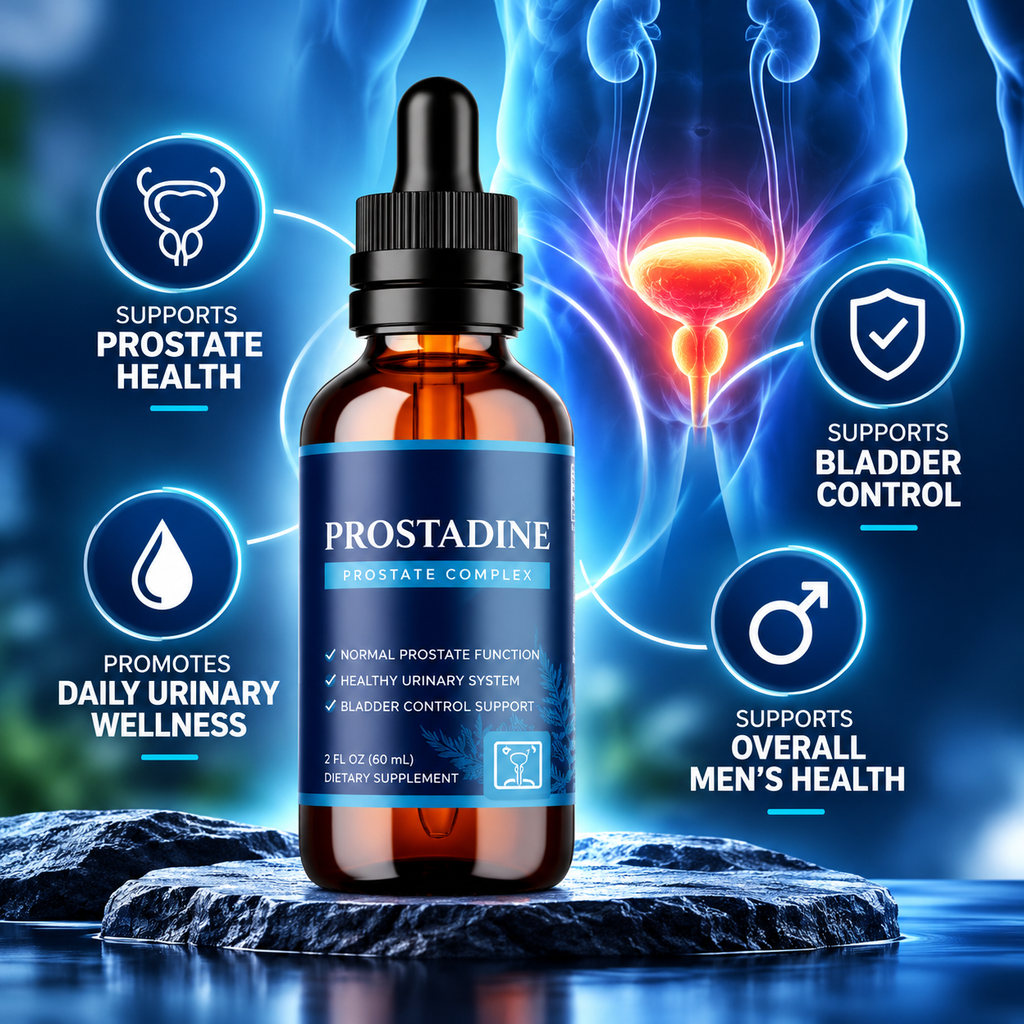
Prostadine is a liquid dietary supplement marketed to support prostate health, normal urinary function, bladder comfort, and general men’s wellness.
According to published promotional materials, its formula contains nine advertised ingredients, including Saw Palmetto, Pomegranate Extract, Shilajit, Neem, Iodine, and four seaweed-derived ingredients.
Some of these compounds have been investigated for their nutritional, antioxidant, or biological properties.
However, scientific research involving individual ingredients does not establish that the complete Prostadine formula produces clinically meaningful improvements in prostate or urinary health.
Below are four potential benefits discussed in Prostadine promotional materials, along with the limitations of available scientific evidence.
1. Supports Normal Prostate Health and Function
Prostadine is a liquid dietary supplement marketed to support prostate health, normal urinary function, bladder comfort, and general men’s wellness.
According to published promotional materials, its formula contains nine advertised ingredients, including Saw Palmetto, Pomegranate Extract, Shilajit, Neem, Iodine, and four seaweed-derived ingredients.
Some of these compounds have been investigated for their nutritional, antioxidant, or biological properties.
However, scientific research involving individual ingredients does not establish that the complete Prostadine formula produces clinically meaningful improvements in prostate or urinary health.
Below are four potential benefits discussed in Prostadine promotional materials, along with the limitations of available scientific evidence.
One of the main advertised benefits of Prostadine is supporting normal prostate function and general prostate wellness.
The prostate is a gland located below the bladder that contributes fluid to semen.
As men age, the prostate may increase in size, sometimes contributing to urinary symptoms.
Benign prostatic hyperplasia (BPH) is a common condition involving noncancerous prostate enlargement.
Prostadine promotional materials highlight ingredients such as Saw Palmetto, Pomegranate Extract, and marine-derived compounds.
Saw Palmetto has been widely investigated for urinary symptoms associated with BPH.
Researchers have examined whether certain Saw Palmetto preparations influence biological pathways related to prostate function.
However, the available clinical evidence has generally not demonstrated meaningful improvements.
According to the National Institutes of Health, a 2023 systematic review of 27 studies found that Saw Palmetto taken alone provided little or no benefit for urinary symptoms associated with BPH.
Two large NIH-funded clinical trials also found no significant improvements in urinary symptoms, including when higher doses were evaluated.
Pomegranate Extract contains naturally occurring polyphenols investigated for their antioxidant properties.
However, antioxidant activity does not establish that Pomegranate Extract reduces prostate enlargement or improves prostate function.
Other Prostadine ingredients, including Nori, Wakame, Kelp, and Bladderwrack, contain minerals and marine compounds studied for various biological properties.
There is insufficient high-quality human clinical evidence that these seaweed extracts improve prostate function or prevent BPH.
There is also insufficient independent product-specific clinical evidence demonstrating that Prostadine reduces prostate size, reverses prostate enlargement, or reliably improves prostate-related symptoms.
Men experiencing persistent prostate-related symptoms should seek qualified medical evaluation rather than relying on dietary supplements.
2. Promotes Comfortable Urination and Normal Urinary Flow
Prostadine is also advertised for maintaining comfortable urination and supporting normal urinary flow.
Urinary symptoms can become more common with age, particularly among men experiencing prostate enlargement.
When the prostate enlarges, it may place pressure on the urethra, the tube that carries urine out of the bladder.
This pressure can contribute to difficulties such as:
- Weak or interrupted urinary flow
- Difficulty beginning urination
- Frequent bathroom visits
- Urinary urgency
- Dribbling after urination
- A feeling that the bladder has not emptied completely
Prostadine promotional materials associate certain ingredients with maintaining normal urinary function.
Saw Palmetto is one of the most extensively researched botanical ingredients for urinary symptoms associated with BPH.
However, systematic reviews have found that Saw Palmetto used alone generally provides little or no clinically meaningful improvement in these symptoms.
Other ingredients, including Wakame and Bladderwrack, are sometimes promoted for bladder and urinary-system wellness.
Although these marine plants contain naturally occurring compounds, there is insufficient clinical evidence demonstrating that they improve urinary flow.
Prostadine’s liquid dropper format may be convenient for certain users, but the delivery method does not establish greater effectiveness.
There is insufficient independent product-specific clinical evidence demonstrating that Prostadine reliably improves urine flow rate, reduces urinary urgency, or improves bladder emptying.
Difficulty urinating can also arise from urinary tract infections, prostatitis, bladder disorders, certain medications, and other medical conditions.
Persistent urinary symptoms should be investigated by a healthcare professional to identify the underlying cause.
3. Supports Bladder Comfort and Everyday Urinary Wellness
Another advertised benefit of Prostadine is supporting bladder comfort and everyday urinary wellness.
The bladder stores urine before it is released from the body.
Normal bladder function depends on coordinated activity between the bladder muscles, urinary sphincters, nervous system, and surrounding structures.
Certain prostate conditions may contribute to bladder-related symptoms.
For example, men with BPH may experience an increased need to urinate during the day or wake repeatedly at night.
Frequent nighttime urination is called nocturia.
However, nocturia can also be associated with several other factors, including excessive evening fluid intake, certain medications, diabetes, sleep disorders, and other medical conditions.
Prostadine promotional materials associate the formula with reducing nighttime bathroom visits and maintaining normal bladder comfort.
The advertised ingredients include Wakame Extract, Kelp Powder, Bladderwrack Powder, and Neem.
Some laboratory studies have investigated compounds derived from marine algae and Neem for possible antioxidant or antimicrobial properties.
However, results from laboratory experiments do not establish meaningful improvements in human bladder function.
There is insufficient high-quality clinical evidence demonstrating that these ingredients reduce nocturia, prevent urinary tract infections, or improve bladder control.
Similarly, the presence of Saw Palmetto does not establish that the complete Prostadine formula improves nighttime urination.
The National Institute of Diabetes and Digestive and Kidney Diseases explains that appropriate treatment for urinary symptoms depends on their underlying cause and severity.
Some individuals may benefit from changes in fluid timing, medication review, or other medically recommended measures.
Others may require established treatments for BPH or another underlying condition.
There is insufficient independent product-specific clinical evidence demonstrating that Prostadine reliably reduces nighttime urination, improves bladder emptying, or restores normal bladder control.
Men experiencing persistent urgency, frequent nighttime bathroom visits, or difficulty emptying the bladder should seek professional medical advice.
4. Supports General Men’s Wellness Through Nutritional Ingredients
Prostadine is also marketed as a supplement intended to support general men’s wellness.
Its advertised formula combines marine-derived ingredients, botanical extracts, and iodine.
Several advertised ingredients contain naturally occurring minerals or compounds that have attracted scientific interest.
For example, seaweeds such as Nori, Wakame, Kelp, and Bladderwrack may contain iodine and other minerals.
Iodine is an essential nutrient required for normal thyroid hormone production.
Thyroid hormones contribute to normal energy metabolism and numerous physiological processes.
However, consuming additional iodine does not necessarily improve health in individuals who already obtain sufficient amounts.
Excessive iodine intake may also interfere with normal thyroid function.
Pomegranate Extract contains plant compounds called polyphenols, which have been investigated for antioxidant activity.
Shilajit contains naturally occurring organic and mineral substances, and some purified preparations have been investigated in small studies for selected physiological outcomes.
Neem has also been investigated in laboratory research for various biological properties.
However, these findings do not establish that the complete Prostadine formula improves energy levels, testosterone production, sexual performance, or general physical vitality.
The National Cancer Institute reports that a controlled study involving Pomegranate preparations among men with recurrent prostate cancer did not demonstrate a significant improvement in the rate of PSA progression compared with placebo.
Research findings involving specific preparations also cannot automatically be applied to Prostadine.
There is insufficient independent product-specific clinical evidence demonstrating that Prostadine increases testosterone, improves sexual performance, prevents prostate disease, or provides long-term cardiovascular or reproductive benefits.
A balanced diet, appropriate physical activity, adequate sleep, and management of existing medical conditions remain important for maintaining general health.
Important Information About Prostadine Benefits
The potential benefits discussed above reflect Prostadine’s advertised product positioning and scientific research involving certain individual ingredients.
Although some botanical and marine-derived compounds have been investigated for biological properties, these findings do not establish that the finished supplement improves prostate or urinary function.
There is insufficient independent product-specific clinical evidence demonstrating that Prostadine reliably reduces prostate enlargement, improves urinary flow, decreases nighttime urination, or prevents prostate-related diseases.
Customers should also consider the safety of the advertised formulation.
Prostadine lists iodine as an ingredient and also contains four seaweed-derived ingredients that may contribute additional iodine.
The total iodine content should be verified using the actual Supplement Facts panel.
Excessive iodine intake can interfere with thyroid function, particularly among people with existing thyroid disorders.
The National Institutes of Health identifies 1,100 micrograms per day as the tolerable upper intake level for iodine in adults. This is a safety limit, not a recommended daily intake.
Customers should also verify the quantities of Saw Palmetto, Pomegranate Extract, Shilajit, Neem, and the other advertised ingredients.
Important: Prostadine is a dietary supplement, not a clinically established treatment for benign prostatic hyperplasia, prostatitis, urinary tract infections, prostate cancer, or other urological conditions.
Men experiencing persistent urinary frequency, weak urine flow, difficulty urinating, or worsening nighttime urination should consult a qualified healthcare professional.
Sudden inability to urinate requires urgent medical attention. Blood in the urine or fever with painful urination warrants prompt medical assessment.
Prostadine should not replace prescribed prostate medications, appropriate medical testing, or established urological care.
Final Benefits Assessment: Prostadine contains ingredients associated with nutritional and botanical research, but there is insufficient independent clinical evidence demonstrating meaningful prostate or urinary benefits from the complete formula. Consumers should distinguish advertising claims from scientifically established results and review the product’s iodine content and other safety information before purchasing.
Prostadine Side Effects and Safety
Prostadine is a liquid dietary supplement marketed to support prostate health, urinary comfort, bladder function, and general men’s wellness.
Its advertised formula contains nine ingredients, including Saw Palmetto, Pomegranate Extract, Shilajit, Neem, Iodine, and several seaweed-derived compounds.
Although some of these ingredients have been investigated for their nutritional or biological properties, natural ingredients are not automatically free from side effects or medication interactions.
The long-term safety of the complete Prostadine formula has not been established through sufficient independent product-specific clinical research.
The following safety considerations are based primarily on scientific research involving the individual advertised ingredients.
1. Excessive Iodine Intake and Thyroid-Related Risks
One of the most important safety considerations associated with Prostadine is its advertised iodine content.
The formula lists Iodine as a separate ingredient and also contains Kelp Powder, Wakame Extract, Nori Yaki Extract, and Bladderwrack Powder.
Several of these marine ingredients can provide additional iodine.
Iodine is an essential mineral required for the production of thyroid hormones.
Thyroid hormones help regulate metabolism and other important biological processes.
However, consuming excessive iodine can interfere with normal thyroid function.
According to the National Institutes of Health, excessive iodine intake may contribute to thyroid enlargement, hypothyroidism, or hyperthyroidism in susceptible individuals.
Possible symptoms of thyroid dysfunction may include:
- Unusual fatigue or weakness
- Unexplained weight changes
- Changes in heart rate
- Increased sensitivity to heat or cold
- Changes in bowel habits
- Sleep disturbances
These are possible symptoms of thyroid dysfunction generally, not confirmed side effects of Prostadine.
The National Institutes of Health identifies 1,100 micrograms per day as the tolerable upper intake level for iodine in adults.
This value includes iodine from foods, beverages, and dietary supplements.
It is a safety limit, not a recommended daily dose.
Because Prostadine advertises multiple potential iodine sources, consumers should verify the total iodine quantity on the current Supplement Facts panel.
People with existing thyroid disorders, including Hashimoto’s thyroiditis or Graves’ disease, should seek professional medical advice before using iodine-rich supplements.
2. Seaweed Extracts and Potential Contaminants
Prostadine advertises four marine-derived ingredients:
- Nori Yaki Extract Powder
- Wakame Extract
- Kelp Powder
- Bladderwrack Powder
Seaweeds contain naturally occurring minerals and other plant compounds.
However, their nutritional composition can vary substantially depending on species, harvesting location, growing conditions, and processing methods.
Certain seaweed products contain very high concentrations of iodine.
A scientific study examining commercially available seaweed products found substantial variations in iodine content, with many products exceeding recommended upper intake limits per serving.
This means that consumers should not assume that every seaweed extract provides the same quantity of iodine.
Another potential concern involves environmental contaminants.
Certain marine plants can accumulate unwanted substances from their growing environment.
Depending on the source and manufacturing process, these may include heavy metals or other contaminants.
The presence of seaweed ingredients does not establish that Prostadine contains harmful contamination.
However, consumers should look for credible manufacturing information and appropriate testing for contaminants.
The amount and quality of each marine extract should be verified before use.
People with thyroid disorders or significant kidney-related conditions should seek professional medical advice before using concentrated marine-ingredient supplements.
3. Possible Digestive Discomfort
Some botanical extracts and dietary supplements may cause gastrointestinal discomfort in certain individuals.
Prostadine advertises ingredients including Saw Palmetto, Pomegranate Extract, Neem, and several seaweed preparations.
Saw Palmetto has generally been well tolerated in clinical studies, although mild digestive symptoms have occasionally been reported.
Certain concentrated botanical preparations may also cause unwanted digestive reactions.
Possible symptoms associated with some supplemental ingredients include:
- Nausea
- Stomach discomfort
- Abdominal cramps
- Bloating
- Changes in bowel habits
- Diarrhea
However, there is insufficient independent product-specific clinical evidence establishing how frequently these symptoms occur among Prostadine users.
The effects of a particular extract depend on its preparation, quantity, and individual tolerance.
People experiencing persistent digestive discomfort after beginning a supplement should discontinue use and seek appropriate medical advice.
Customers should also review the complete ingredient list for any known allergies or sensitivities.
4. Saw Palmetto Side Effects and Safety
Saw Palmetto is one of the most extensively investigated ingredients associated with prostate-health supplements.
It is derived from the berries of Serenoa repens.
Clinical researchers have studied Saw Palmetto for urinary symptoms associated with benign prostatic hyperplasia.
According to the National Institutes of Health, Saw Palmetto has generally been well tolerated in clinical research, including studies lasting up to three years.
Reported adverse effects have usually been mild and uncommon.
Possible side effects include:
- Digestive discomfort
- Headaches
- Dizziness
However, these findings involve specific Saw Palmetto preparations rather than the complete Prostadine formula.
The National Institutes of Health also reports that Saw Palmetto alone generally provides little or no meaningful relief from urinary symptoms associated with an enlarged prostate.
This is important because consumers should not assume that an ingredient is effective simply because it is commonly marketed for prostate health.
There is insufficient independent clinical evidence demonstrating that Saw Palmetto in Prostadine reliably reduces nighttime urination, improves urinary flow, or decreases prostate size.
People taking prescription medications should inform their healthcare professional before using Saw Palmetto-containing supplements.
The safety of combining Saw Palmetto with all the other advertised Prostadine ingredients has not been adequately established.
5. Shilajit and Heavy-Metal Contamination Concerns
Shilajit is a naturally occurring resin-like material found in certain mountainous regions.
It contains a complex mixture of organic and inorganic compounds.
Some purified Shilajit preparations have been investigated in preliminary human research.
However, the available evidence remains limited.
One important concern involves product purity.
According to Operation Supplement Safety, Shilajit can contain heavy metals such as lead, arsenic, cadmium, and mercury.
The amount of contamination depends on the source material, purification methods, and manufacturing quality.
Exposure to excessive quantities of certain heavy metals can harm the nervous system, kidneys, and other organs.
However, the presence of Shilajit in Prostadine does not establish that the finished product contains harmful heavy metals.
Independent quality testing is important for evaluating such concerns.
Potential unwanted reactions reported with some Shilajit preparations include dizziness, allergic reactions, and other symptoms.
These findings cannot automatically be attributed to the complete Prostadine formula.
Customers should look for credible testing information and verify the form and quantity of Shilajit used.
There is insufficient independent product-specific clinical evidence demonstrating that Shilajit in Prostadine improves prostate function or provides long-term urinary-health benefits.
6. Neem and Botanical Safety Considerations
Neem is derived from the Azadirachta indica tree.
Different Neem preparations have been used in traditional medical practices.
Certain laboratory studies have investigated Neem extracts for antimicrobial and other biological properties.
However, laboratory findings do not establish that Neem treats prostate enlargement, urinary tract infections, or other urinary conditions.
Safety considerations depend heavily on which part of the Neem plant is used and how the extract is prepared.
Memorial Sloan Kettering Cancer Center reports that serious poisoning has occurred following the ingestion of Neem oil.
Reported effects of Neem oil poisoning have included vomiting, drowsiness, neurological problems, and seizures.
However, Neem oil should not be treated as equivalent to every Neem leaf, bark, or other botanical extract.
These reports do not establish that Prostadine contains Neem oil or that its particular Neem ingredient causes the same effects.
Customers should verify the exact Neem preparation listed on the current product packaging.
They should also review the recommended quantity and manufacturer warnings.
There is insufficient independent clinical evidence establishing the long-term safety of Neem when combined with the other ingredients advertised in Prostadine.
7. Medication Interactions and Existing Medical Conditions
People taking prescription medications should exercise caution before using multi-ingredient dietary supplements.
Prostadine contains iodine-related ingredients and several botanical extracts.
The potential for interactions depends on the ingredient quantities, chemical forms, and individual health circumstances.
Thyroid Medications
High iodine intake may interfere with treatment for certain thyroid disorders.
For example, the National Institutes of Health notes that high-dose iodine supplementation may have additive effects when combined with antithyroid medications such as Methimazole.
People taking Levothyroxine or other thyroid medications should also discuss iodine-containing supplements with their healthcare professional.
Blood-Pressure Medications
Certain iodine supplements, specifically potassium iodide, may interact with ACE inhibitors used to manage blood pressure.
When potassium iodide is combined with these medications, the risk of elevated blood potassium may increase.
However, this particular interaction depends on the actual chemical form and dose of iodine. It cannot automatically be attributed to Prostadine without verifying its formulation.
Potassium-Sparing Diuretics
Potassium iodide can also interact with certain potassium-sparing diuretics, including Spironolactone.
People taking these medications should consult a healthcare professional before using supplements containing potassium iodide.
Other Medications
Prostadine includes botanical ingredients that may require additional review alongside prescription treatments.
Individuals taking several medications should provide their doctor or pharmacist with the complete ingredient list.
Customers should not discontinue or alter prescribed medications because of supplement advertising.
8. Precautions for Men With Prostate or Urinary Conditions
Prostadine is primarily marketed toward adult men interested in prostate and urinary wellness.
However, urinary symptoms can arise from several different medical conditions.
Possible causes include:
- Benign prostatic hyperplasia
- Urinary tract infections
- Prostatitis
- Bladder disorders
- Medication-related urinary problems
- Prostate cancer or other serious conditions
The presence of urinary symptoms does not automatically establish that a person has an enlarged prostate.
Men experiencing frequent urination, weak urinary flow, nighttime bathroom visits, or incomplete bladder emptying should seek medical evaluation.
A healthcare professional may recommend an examination, urine testing, blood testing, or other assessments depending on the symptoms.
When to Seek Urgent Medical Attention
Sudden inability to urinate requires urgent medical attention.
Blood in the urine, fever with painful urination, or severe lower abdominal pain also warrants prompt medical assessment.
Prostadine has not been established as a treatment for these symptoms or their underlying causes.
Delaying appropriate medical care while relying on dietary supplements may allow an untreated condition to worsen.
Men already receiving treatment for benign prostatic hyperplasia or another urological condition should continue following their healthcare professional’s recommendations.
9. Long-Term Safety and Product Quality
The long-term safety of the complete Prostadine formula has not been established through sufficient independent product-specific clinical research.
Although some individual ingredients have been studied, those findings cannot establish the safety of combining all nine advertised ingredients.
Ingredient quantities are particularly important when evaluating iodine-containing supplements.
Customers should review:
- Complete Supplement Facts panel
- Total iodine content per serving
- Amounts of individual seaweed ingredients
- Saw Palmetto quantity and preparation
- Shilajit purification and quality testing
- Exact Neem preparation
- Recommended serving size
- Manufacturer warnings and expiration date
Consumers should also consider iodine intake from other dietary supplements or nutritional products.
Taking additional servings does not guarantee improved urinary comfort or greater prostate-health benefits.
Excessive intake of certain ingredients may increase unnecessary health risks.
Product quality, ingredient identification, and reliable manufacturing information are important considerations before purchasing.
Important Safety Information About Prostadine
The potential side effects and precautions discussed above are based primarily on research involving individual ingredients advertised in Prostadine.
These findings do not establish how frequently adverse reactions occur with the complete finished product.
Particular attention should be given to its combination of Iodine, Kelp, Wakame, Nori Yaki, and Bladderwrack.
These ingredients may contribute to total iodine exposure, which is especially relevant for people with thyroid disorders.
Shilajit quality and contamination testing are additional considerations.
Saw Palmetto has generally been well tolerated in clinical studies, but this does not establish the safety of the full Prostadine formulation.
Customers should verify the actual ingredient quantities, manufacturer warnings, and any available independent quality testing.
Important: Prostadine is a dietary supplement and should not replace established medical treatment for benign prostatic hyperplasia, prostatitis, urinary tract infections, prostate cancer, or other urological conditions.
Men experiencing persistent urinary symptoms should consult a qualified healthcare professional.
Sudden inability to urinate requires urgent medical care. Blood in the urine or fever accompanied by painful urination also requires prompt evaluation.
People managing thyroid conditions or taking regular medications should seek professional medical advice before using iodine-rich supplements.
Final Safety Assessment: Prostadine’s advertised formula contains several ingredients requiring careful consideration, particularly its multiple possible iodine sources and Shilajit content. The long-term safety of the complete product remains insufficiently established through independent clinical research. Consumers should not assume that natural ingredients are automatically safe or clinically effective.
How to Use Prostadine
Prostadine is a liquid dietary supplement marketed to support prostate health, normal urinary function, bladder comfort, and general men’s wellness.
Unlike traditional prostate supplements supplied as capsules or tablets, Prostadine is advertised as a liquid formula that can be measured using a dropper.
According to published promotional instructions, the suggested daily serving is two full droppers, equivalent to approximately 2 mL, preferably taken in the morning.
However, customers should follow the actual manufacturer’s label and seek professional medical advice when appropriate.
Step 1: Read the Prostadine Product Label
Before using Prostadine, carefully review the information printed on the supplement bottle.
Check the complete Supplement Facts panel, recommended daily serving, ingredient quantities, expiration date, and manufacturer warnings.
Published promotional materials identify nine ingredients, including Iodine, Kelp, Wakame, Bladderwrack, Nori Yaki, Saw Palmetto, Pomegranate Extract, Shilajit, and Neem.
Several of the advertised seaweed ingredients may contain iodine.
Because excessive iodine intake can interfere with thyroid function, customers should verify the total iodine quantity before using the product.
People managing thyroid conditions or taking regular prescription medications should consult a qualified healthcare professional before starting Prostadine.
Step 2: Shake the Bottle Before Use
Published Prostadine seller instructions recommend shaking the bottle before taking the liquid.
This is intended to help distribute the formulation evenly.
Before using the product, customers should inspect the bottle for damage, check the expiration date, and follow any instructions concerning the appearance or storage of the liquid.
Keep the container securely closed when it is not being used.
Customers should not use a product that appears contaminated, has a damaged seal, or shows unexpected changes that conflict with the manufacturer’s instructions.
Shaking the bottle as directed helps follow the advertised preparation procedure, but it does not establish that the supplement improves prostate or urinary health.
Step 3: Measure the Recommended Daily Serving
Prostadine promotional materials commonly recommend two full droppers, totaling approximately 2 mL, once daily.
Customers should use the measuring dropper supplied with the product.
The exact volume delivered by a dropper can depend on its design, so the manufacturer’s measurement instructions should be followed carefully.
If the actual product label recommends a different quantity, follow the verified label rather than a general promotional description.
Do not exceed the recommended serving in an attempt to achieve faster results.
There is insufficient independent clinical evidence demonstrating that taking higher doses of Prostadine provides greater prostate or urinary benefits.
Excessive consumption may also increase exposure to iodine and other active ingredients.
Step 4: Take Prostadine Directly or Mix It With a Beverage
According to published seller instructions, Prostadine may be taken directly by mouth or mixed with a beverage.
Promotional materials mention water, tea, coffee, and juice as possible options.
Customers should follow the preparation instructions supplied with their particular bottle.
If taking the liquid directly, keep the dropper clean and follow the manufacturer’s instructions to avoid contaminating the remaining product.
If mixing the supplement with a beverage, follow any temperature or preparation restrictions specified on the product label.
There is insufficient independent product-specific evidence demonstrating that mixing Prostadine with a particular drink improves its absorption or effectiveness.
The liquid delivery format also does not establish that Prostadine works faster or more effectively than other prostate supplements.
Step 5: Follow the Recommended Timing and Routine
Published Prostadine instructions generally recommend taking the supplement in the morning.
Customers may find it convenient to associate their serving with an established daily routine.
However, there is insufficient independent clinical evidence demonstrating that morning use produces better prostate-health outcomes than taking Prostadine at another time.
The seller also promotes regular daily use.
However, using a supplement consistently does not guarantee improvements in urinary flow, prostate size, or nighttime bathroom visits.
Research involving the individual ingredients cannot establish how long the complete formula must be taken to achieve meaningful benefits.
Customers should not increase their serving or extend their use based solely on promotional claims.
If a serving is missed, consult the product label or a healthcare professional rather than doubling the next serving.
Step 6: Continue Healthy Urinary Habits and Medical Care
Prostadine should not replace established approaches to maintaining prostate and urinary health.
Men experiencing persistent urinary symptoms should seek appropriate medical evaluation.
These symptoms may include frequent urination, nighttime bathroom visits, weak urinary flow, difficulty beginning urination, or incomplete bladder emptying.
Depending on the underlying cause, a healthcare professional may recommend lifestyle changes, medication, further testing, or other treatment.
General practices that may help some individuals manage urinary symptoms include:
- Maintaining appropriate hydration throughout the day.
- Discussing troublesome nighttime urination with a healthcare professional.
- Reviewing caffeine and alcohol intake when these worsen urinary symptoms.
- Maintaining regular physical activity.
- Following medically recommended treatment for existing conditions.
- Attending appropriate urological check-ups.
People taking prescription medications for prostate enlargement should continue following their healthcare professional’s treatment plan.
Gluco6 and other unrelated supplements should not be assumed to provide additional benefits when combined with Prostadine.
There is insufficient independent product-specific clinical evidence demonstrating that Prostadine reliably improves urinary flow, reduces prostate enlargement, or prevents prostate-related disease.
Step 7: Store Prostadine Properly and Monitor for Unwanted Reactions
Customers should store Prostadine according to the instructions printed on their product packaging.
Keep the bottle securely closed, protect it from unsuitable storage conditions, and place it out of reach of children.
Avoid using the supplement after its expiration date.
Some advertised ingredients may cause unwanted effects in certain individuals.
Potential ingredient-related concerns include:
- Digestive discomfort
- Headaches or dizziness
- Allergic reactions
- Excessive iodine exposure
- Thyroid-related effects
- Interactions with prescription medications
These are general ingredient-related concerns and should not be interpreted as established adverse-event rates for Prostadine.
People who experience persistent or concerning symptoms after beginning the supplement should discontinue use and seek appropriate medical advice.
Particular caution is warranted for individuals with thyroid disorders because the formula advertises several potential iodine sources.
Important Usage and Safety Information
Prostadine is a dietary supplement, not a prescription medication or an established treatment for benign prostatic hyperplasia, prostatitis, urinary tract infections, or prostate cancer.
The seller commonly recommends two full droppers, totaling approximately 2 mL, once daily in the morning.
However, customers should verify the actual product label before following this routine.
The complete Prostadine formula has not been established through sufficient independent clinical research to reliably improve urinary symptoms or reduce prostate enlargement.
The presence of Iodine, Kelp, Wakame, Nori Yaki, and Bladderwrack makes total iodine exposure an important consideration.
The National Institutes of Health identifies 1,100 micrograms per day as the tolerable upper intake level for iodine in adults from all sources combined. This is a safety limit, not a recommended daily dose.
People with thyroid disorders or those taking prescription medications should consult a qualified healthcare professional before using iodine-rich supplements.
Important: Prostadine should not replace medically appropriate examination or treatment for enlarged prostate, urinary tract infections, prostatitis, prostate cancer, or other urological conditions.
Men experiencing persistent urinary frequency, weak urinary flow, or worsening nighttime urination should seek qualified medical evaluation.
Sudden inability to urinate requires urgent medical attention. Blood in the urine or fever accompanied by painful urination also warrants prompt medical assessment.
Further independent product-specific clinical research is needed to establish the long-term safety and effectiveness of the complete Prostadine formula.
Prostadine Price and Where to Buy
Prostadine is a liquid dietary supplement marketed for prostate health, urinary comfort, and general men’s wellness.
The product is sold through online purchasing packages containing different numbers of bottles.
Customers can compare the price per bottle, total package cost, shipping charges, supply duration, and refund conditions before ordering.
One published Prostadine seller offer advertises the following packages.
Starter Package – 2 Bottles
- Price: $79 per bottle
- Total: $158 before shipping
- Supply: Approximately 60 days
- Shipping: $9.99 advertised for this package
- Money-Back Guarantee: 60 days
This package requires a lower upfront payment than the larger bundles.
However, its advertised price per bottle is higher than the three- and six-bottle packages.
Customers should confirm the final shipping charges and total cost before completing their purchase.
Popular Package – 3 Bottles
- Price: $69 per bottle
- Total: $207
- Supply: Approximately 90 days
- Free US shipping advertised
- Money-Back Guarantee: 60 days
The three-bottle package offers a lower advertised cost per bottle than the starter package.
According to the seller’s promotional materials, this package is marketed as a popular purchasing option.
However, purchasing additional bottles does not establish that the supplement produces stronger or more reliable health benefits.
Customers should verify the actual package contents and final checkout price before ordering.
Best Value Package – 6 Bottles
- Price: $49 per bottle
- Total: $294
- Supply: Approximately 180 days
- Free US shipping advertised
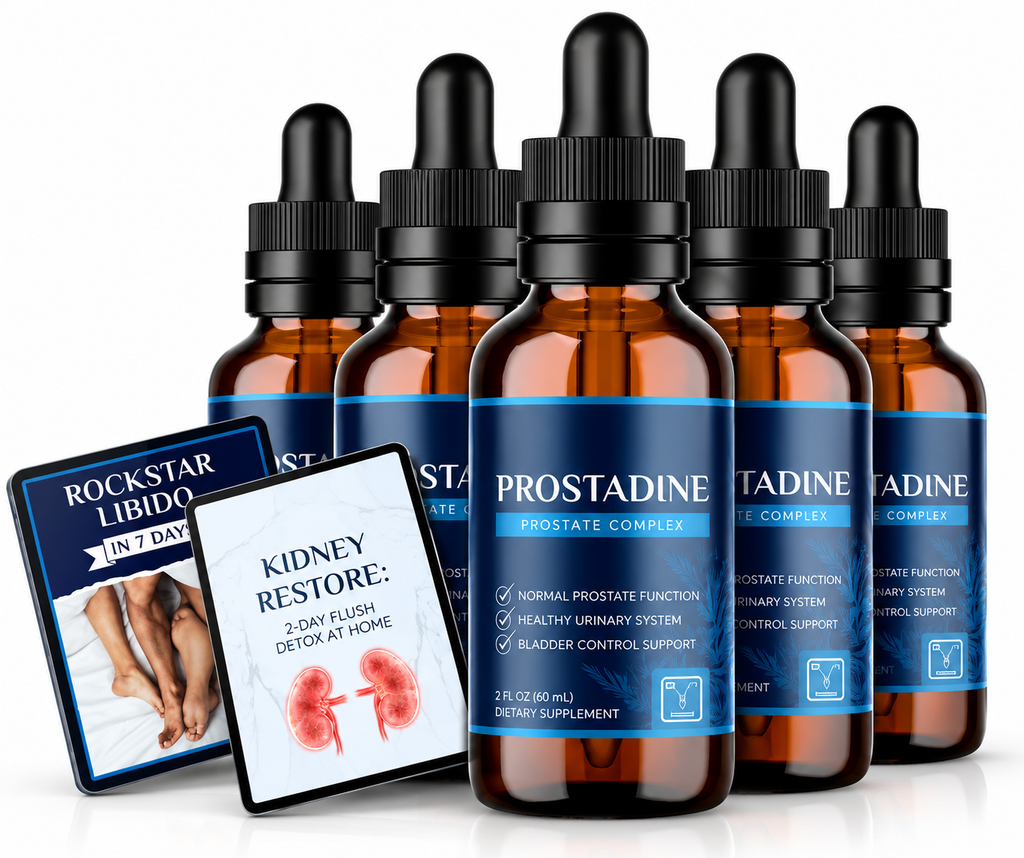
- Two digital bonus guides advertised
- Money-Back Guarantee: 60 days
The six-bottle package provides the lowest advertised price per bottle under this particular offer.
However, customers must purchase six bottles to obtain the advertised $49 price.
The larger package requires a higher upfront payment and should not be interpreted as offering better clinical effectiveness.
There is insufficient independent product-specific clinical evidence demonstrating that longer use of Prostadine reliably improves prostate health or urinary symptoms.
Prostadine Promotional Bonus Guides
According to the seller’s promotional materials, customers ordering the six-bottle package may receive two digital bonus guides.
Bonus 1: Kidney Restore — 2-Day Flash Detox at Home
This digital guide is marketed as an educational resource featuring home-based wellness and lifestyle suggestions.
However, the body’s kidneys already perform essential filtration and waste-removal functions.
There is insufficient clinical evidence demonstrating that short-term detox programs remove harmful substances from the kidneys or treat kidney disease.
Customers should not interpret the inclusion of this guide as evidence that Prostadine improves kidney function.
Bonus 2: Rockstar Libido in 7 Days
This digital guide is advertised as a resource featuring lifestyle suggestions associated with men’s vitality and sexual wellness.
However, the availability of a promotional guide does not establish that Prostadine increases testosterone, restores erectile function, or produces reliable improvements in sexual performance.
Customers should review the seller’s current offer to verify whether these guides are included with their selected package.
Prostadine Money-Back Guarantee
The Prostadine seller advertises a 60-day money-back guarantee.
According to the published refund policy, the refund eligibility period begins when the customer receives the order.
Customers who are dissatisfied may request a refund during the applicable 60-day period.
The published refund instructions state that customers should contact the seller and return the purchased bottles, whether opened or empty.
The policy also states that customers should include the packing slip and that return shipping costs are not covered by the seller.
Customers should carefully review the current refund policy before purchasing because promotional descriptions and detailed refund instructions may differ.
Before placing an order, customers should verify:
- The exact refund eligibility deadline
- Requirements for returning bottles
- Whether opened or empty bottles qualify
- Any shipping or handling charges
- Customer support contact information
- The refund processing procedure
Customers should retain their purchase confirmation, tracking information, and payment receipt.
A money-back guarantee does not establish that Prostadine produces meaningful improvements in urinary function or prostate health.
Where Can You Buy Prostadine?
Prostadine is marketed through online sales and promotional websites.
Customers interested in purchasing the supplement should use an identifiable seller and verify the purchasing conditions before completing payment.
Depending on the seller and destination, international shipping may be available.
However, delivery availability, shipping charges, customs duties, and taxes may vary.
Customers should confirm the final price and shipping terms at checkout.
It is also important to verify the actual product packaging, ingredient list, manufacturer’s details, and Supplement Facts panel before purchasing.
Important Pricing and Purchasing Information
Prostadine prices, promotional packages, delivery charges, bonus guides, and refund conditions may change.
The prices described above reflect one published seller offer and may differ from other promotional or affiliate checkout pages.
The lowest advertised price under this offer is $49 per bottle, requiring the purchase of six bottles for a total of $294.
Customers should verify the current offer and avoid purchasing more bottles solely because a larger package has a lower unit price.
Prostadine is a dietary supplement and has not been established as a clinically proven treatment for benign prostatic hyperplasia, prostatitis, prostate cancer, or other urinary conditions.
Important: Men experiencing persistent urinary problems should seek medical evaluation. Prostadine should not replace prescribed treatments or established urological care.
Affiliate Disclosure: We may earn a commission if you purchase through our affiliate link, at no additional cost to you.
Frequently Asked Questions About Prostadine
1. What Is Prostadine Used For?
Prostadine is a liquid dietary supplement marketed to support prostate health, urinary comfort, normal bladder function, and general men’s wellness.
The product is primarily promoted toward adult men interested in maintaining urinary health as they age.
According to published promotional materials, Prostadine contains a combination of nine ingredients, including Saw Palmetto, Pomegranate Extract, Shilajit, Neem, Iodine, and several seaweed-derived extracts.
The supplement is advertised for supporting normal urinary flow, bladder comfort, and prostate wellness.
However, these advertised purposes should not be confused with clinically established benefits.
There is insufficient independent product-specific clinical evidence demonstrating that Prostadine reliably improves urinary symptoms, reduces prostate size, or treats benign prostatic hyperplasia.
Prostadine is a dietary supplement rather than an established medical treatment for prostate-related conditions.
2. Does Prostadine Really Work?
Prostadine is marketed as a supplement intended to support prostate health and normal urinary function.
Some of its advertised ingredients have been investigated for their nutritional and biological properties.
Saw Palmetto is one of the most extensively studied herbal ingredients associated with prostate wellness.
However, according to the National Institutes of Health, a 2023 review involving 27 studies found that Saw Palmetto used alone generally provided little or no improvement in urinary symptoms associated with benign prostatic hyperplasia.
Other ingredients, including Pomegranate Extract and marine-derived compounds, have been investigated for antioxidant and related biological properties.
However, antioxidant activity does not establish that a supplement improves urinary flow or reduces prostate enlargement.
There is insufficient independent product-specific clinical evidence demonstrating that Prostadine reliably reduces nighttime urination, improves bladder emptying, or treats prostate disorders.
Individual experiences may vary, but customer testimonials do not replace properly controlled clinical research.
3. What Are the Main Ingredients in Prostadine?
Published Prostadine promotional information lists nine main ingredients.
Nori Yaki Extract Powder: A seaweed-derived ingredient containing naturally occurring minerals and other nutrients.
Wakame Extract: A brown seaweed investigated for its nutritional composition and certain bioactive compounds.
Kelp Powder: A marine ingredient that can contain substantial quantities of iodine.
Bladderwrack Powder: A brown seaweed containing iodine and other naturally occurring compounds.
Saw Palmetto: A botanical ingredient studied for urinary symptoms associated with enlarged prostate, although clinical evidence generally shows little or no benefit when used alone.
Pomegranate Extract: Contains polyphenols investigated for antioxidant properties.
Iodine: An essential mineral needed for normal thyroid hormone production. Excessive intake can interfere with thyroid function.
Shilajit: A naturally occurring mineral-rich substance used in certain traditional preparations. Purity and contamination testing are important considerations.
Neem: A botanical ingredient investigated in laboratory research for various biological properties.
Customers should verify the complete Supplement Facts panel and individual ingredient quantities on the actual product packaging.
Research involving individual ingredients does not establish the effectiveness or safety of the complete Prostadine formula.
4. Is Prostadine Safe to Use?
Prostadine contains botanical extracts, marine-derived ingredients, and minerals that may require safety precautions.
One important concern is iodine exposure.
The product advertises Iodine alongside Kelp, Wakame, Nori Yaki, and Bladderwrack.
Several of these ingredients may contribute additional iodine.
Excessive iodine intake can interfere with thyroid function, particularly in people with existing thyroid conditions.
Other ingredient-related concerns include:
- Digestive discomfort
- Headaches or dizziness
- Allergic reactions
- Possible medication interactions
- Contamination concerns involving inadequately purified Shilajit
The long-term safety of the complete Prostadine formula has not been established through sufficient independent product-specific clinical research.
People with thyroid disorders or those taking prescription medications should consult a qualified healthcare professional before using the product.
Consumers should review the complete ingredient list, serving recommendations, and manufacturer warnings before purchasing.
5. How Should I Take Prostadine?
Prostadine is marketed as a liquid dietary supplement supplied in a dropper bottle.
According to published promotional instructions, the suggested daily serving is two full droppers, equivalent to approximately 2 mL.
The seller commonly recommends taking the supplement once daily, preferably in the morning.
The product may be taken directly or mixed with a suitable beverage, according to the manufacturer’s instructions.
Before using Prostadine, customers should shake the bottle if directed and verify the recommended serving on their actual product packaging.
Do not exceed the stated dosage in an attempt to achieve faster results.
There is insufficient independent clinical evidence demonstrating that higher doses or longer use of Prostadine provide greater urinary-health benefits.
People with thyroid conditions or those taking regular medications should seek professional advice before starting the supplement.
6. How Much Does Prostadine Cost?
One published Prostadine seller offer advertises three purchasing packages:
- 2 Bottles: $158 total ($79 per bottle), with additional shipping charges advertised.
- 3 Bottles: $207 total ($69 per bottle), with free US shipping advertised.
- 6 Bottles: $294 total ($49 per bottle), with free US shipping and two promotional digital bonus guides.
Under this offer, the lowest advertised price is $49 per bottle, which requires purchasing six bottles for a total of $294.
Other Prostadine promotional websites may advertise different package quantities, prices, or discounts.
Customers should verify the current offer, applicable taxes, shipping charges, and final checkout price before ordering.
Purchasing a larger package does not establish greater effectiveness or guarantee improvements in prostate health.
7. Does Prostadine Offer a Money-Back Guarantee?
Published Prostadine sales materials advertise a 60-day money-back guarantee.
According to one seller’s refund policy, customers may request a refund within 60 days after receiving their order.
The policy describes a return process involving purchased bottles, including opened or empty containers, subject to its current terms.
Customers may be responsible for return shipping costs, and original shipping or handling charges may not be refundable.
Before purchasing, customers should carefully review:
- The exact refund deadline
- Return eligibility requirements
- Instructions for returning bottles
- Applicable shipping or handling charges
- Customer support contact information
- Any differences between promotional and checkout terms
Customers should retain their purchase confirmation, delivery information, and payment receipt.
Because refund policies may differ between sellers, the terms presented during the actual purchase should be verified carefully.
A money-back guarantee does not establish that Prostadine produces guaranteed improvements in urinary flow, bladder comfort, or prostate health.
Final Verdict — Is Prostadine Worth Buying?
Prostadine is a liquid dietary supplement marketed to support prostate health, normal urinary function, bladder comfort, and general men’s wellness.
Its advertised formula combines marine-derived ingredients, botanical extracts, and minerals, including Saw Palmetto, Pomegranate Extract, Shilajit, Neem, Iodine, Kelp, Wakame, Nori Yaki, and Bladderwrack.
Although certain ingredients have been investigated for nutritional or biological properties, there is insufficient independent product-specific clinical evidence demonstrating that the complete Prostadine formula reliably improves prostate health, reduces nighttime urination, or treats urinary disorders.
What We Like About Prostadine
- The liquid dropper format may appeal to adults who prefer not to swallow capsules or tablets.
- The advertised formulation includes ingredients such as Saw Palmetto and Pomegranate Extract that have been investigated in scientific research.
- Several marine-derived ingredients contain naturally occurring minerals and other nutritional compounds.
- The product is marketed specifically toward adults interested in prostate and urinary wellness.
- The seller advertises different purchasing packages, allowing customers to compare upfront costs.
- Certain promotional packages include digital bonus guides and free US shipping.
- Some published seller offers advertise a 60-day money-back guarantee, subject to their specific refund conditions.
However, these features describe the product’s format, ingredients, and purchasing options. They do not establish that Prostadine provides meaningful medical benefits.
Things to Consider Before Buying
- There is insufficient independent product-specific clinical evidence demonstrating that Prostadine reliably improves urinary flow or reduces prostate enlargement.
- Saw Palmetto, one of the advertised ingredients, has generally shown little or no meaningful benefit for urinary symptoms associated with benign prostatic hyperplasia when used alone.
- Research involving individual ingredients cannot automatically establish the effectiveness of the complete formula.
- Prostadine is not an established treatment for benign prostatic hyperplasia, prostatitis, urinary tract infections, or prostate cancer.
- The formula advertises Iodine alongside Kelp, Wakame, Nori Yaki, and Bladderwrack, which may contribute additional iodine.
- Excessive iodine intake can interfere with thyroid function, especially in susceptible individuals.
- Shilajit requires careful quality verification because inadequately purified preparations may contain unwanted contaminants, including heavy metals.
- Some botanical ingredients may cause digestive discomfort, allergic reactions, or medication interactions.
- The long-term safety of the complete Prostadine formula has not been established through sufficient independent clinical research.
- Customers should verify the complete Supplement Facts panel, ingredient quantities, total iodine content, and manufacturer warnings.
- Advertised prices, shipping charges, bonuses, and refund conditions may vary between sellers.
Our Final Verdict
Prostadine may appeal to adults who prefer liquid supplements and are interested in products marketed for general prostate and urinary wellness.
Its advertised combination of marine ingredients, botanical extracts, and minerals includes substances that have attracted scientific attention for various nutritional and biological properties.
However, we would not recommend relying on Prostadine to treat prostate enlargement, improve significant urinary symptoms, prevent prostate cancer, or replace established medical treatments.
There is insufficient independent clinical evidence demonstrating that the complete Prostadine formula produces these outcomes.
Saw Palmetto has been extensively investigated for urinary symptoms associated with benign prostatic hyperplasia, but large clinical trials and systematic reviews have generally found little or no meaningful benefit when it is taken alone.
Although other advertised ingredients contain antioxidant compounds or essential minerals, their presence does not establish that Prostadine improves prostate function.
Safety is another important consideration.
The combination of multiple iodine-containing ingredients makes it necessary to review the product’s total iodine content before use.
Excessive iodine intake may affect normal thyroid function, particularly among individuals with existing thyroid disorders.
Shilajit purity and independent contaminant testing are also important considerations.
For men experiencing frequent nighttime urination, difficulty starting urination, weak urinary flow, or incomplete bladder emptying, appropriate medical evaluation is more important than relying on an unproven supplement.
These symptoms may be associated with benign prostatic hyperplasia, urinary infections, bladder conditions, or other medical problems.
A qualified healthcare professional can identify possible causes and recommend appropriate treatment.
For general wellness, maintaining regular physical activity, balanced nutrition, adequate sleep, and medically recommended care remains important.
Readers who remain interested in Prostadine should verify the complete product formulation, serving instructions, quality-control information, current price, shipping conditions, and refund policy before purchasing.
A money-back guarantee may offer purchasing flexibility, but it does not establish the product’s effectiveness or safety.
Final Recommendation: Prostadine should be viewed as an optional dietary supplement rather than a clinically proven treatment for prostate enlargement or urinary disorders. We do not recommend using it as a substitute for prescribed prostate medications or appropriate urological evaluation. Given the limited product-specific clinical evidence and the potential concerns involving iodine exposure and ingredient quality, consumers should approach its advertised benefits cautiously and seek professional medical guidance when appropriate.