The Memory Wave Review: How It Works, Benefits, Safety & Price
Affiliate Disclosure: This article contains affiliate links. If you purchase through our links, Nutrivitalfit may earn a commission at no additional cost to you.
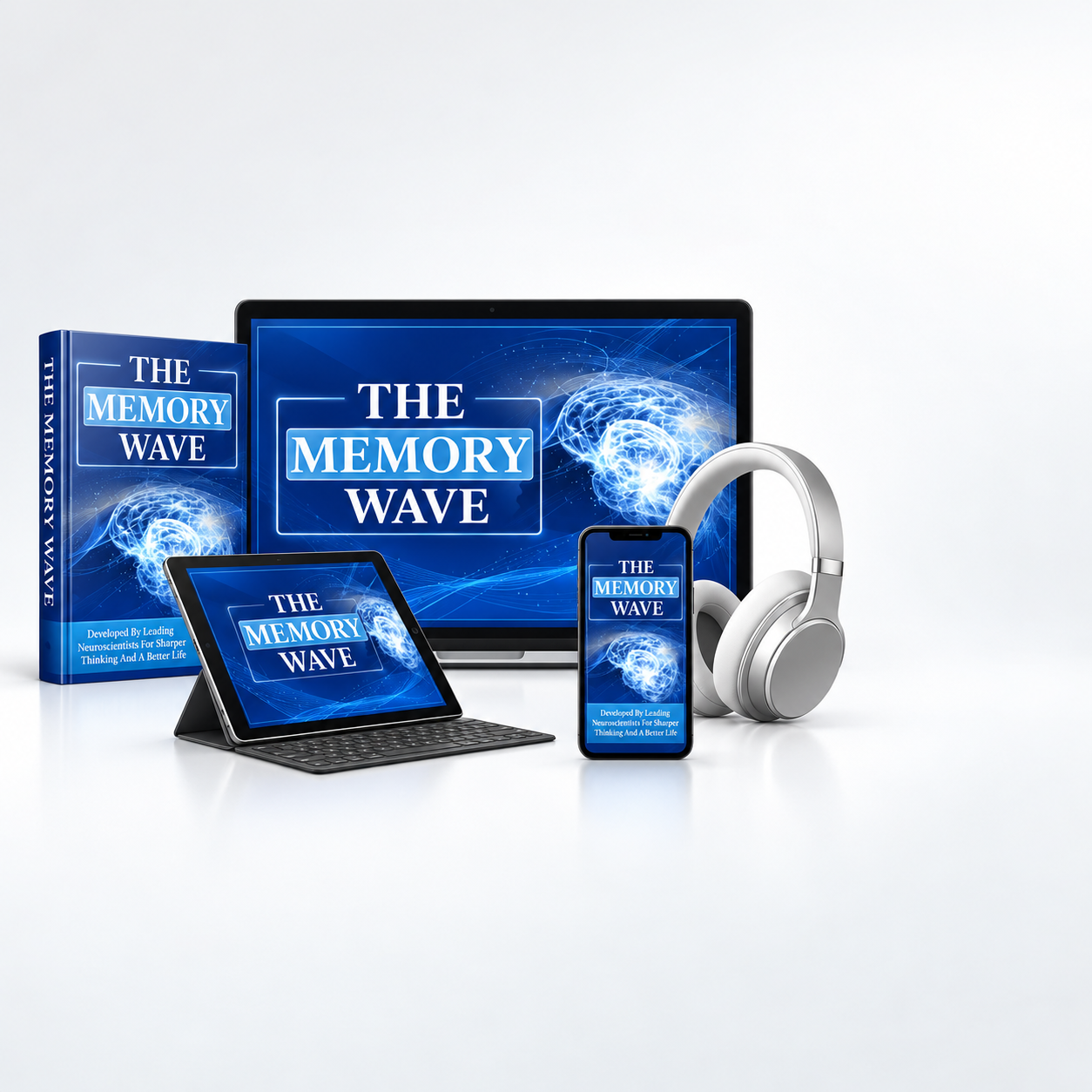
The Memory Wave is a digital audio program marketed to support memory, concentration, mental clarity, and overall cognitive wellness. Unlike traditional brain-health supplements available as capsules, tablets, or powders, The Memory Wave uses specially designed audio patterns intended to influence brainwave activity.
The program is promoted as a convenient, non-invasive listening experience that can be completed at home in approximately 12 minutes per day.
According to published promotional materials, The Memory Wave is based on a concept known as brainwave entrainment, in which rhythmic auditory stimulation is intended to encourage the brain’s electrical activity to respond to particular frequencies.
The seller emphasizes Gamma brainwaves, particularly activity around 40 Hz, which has attracted scientific interest because of its involvement in various cognitive processes.
Gamma brainwave activity is associated with communication between neural networks and has been investigated in relation to attention, learning, memory processing, and other aspects of brain function.
Some experimental studies have examined whether controlled auditory or audiovisual stimulation at approximately 40 Hz can influence brain activity.
Early human studies have produced promising findings in certain research settings, but the evidence remains preliminary. Researchers continue to investigate whether such interventions provide meaningful and lasting cognitive benefits.
Importantly, scientific research involving specialized gamma-frequency stimulation devices or laboratory protocols does not establish that The Memory Wave’s commercial 12-minute audio recording produces the same results.
The seller promotes The Memory Wave for adults interested in maintaining mental sharpness, improving everyday concentration, supporting memory recall, and reducing feelings of mental fatigue.
The program is also marketed toward older adults concerned about age-related changes in cognitive performance.
However, memory difficulties can have many causes, including inadequate sleep, stress, medication effects, nutritional deficiencies, and underlying medical conditions.
Although gamma brainwave stimulation is an active area of neuroscience research, there is insufficient independent product-specific clinical evidence demonstrating that The Memory Wave reliably improves memory, restores cognitive function, or prevents age-related cognitive decline.
Claims that the program removes harmful brain waste, reverses brain aging, or produces immediate improvements in cognitive performance should not be considered clinically established.
In this comprehensive The Memory Wave review, we explore how the audio program works, the scientific research behind gamma brainwave stimulation, its advertised benefits, possible safety concerns, usage instructions, pricing, and refund conditions.
We also examine whether the available scientific evidence supports the seller’s claims and what customers should consider before purchasing.
Important: The Memory Wave is a digital wellness audio program, not an established medical treatment for Alzheimer’s disease, dementia, memory disorders, or other neurological conditions. People experiencing persistent forgetfulness, confusion, or worsening cognitive difficulties should consult a qualified healthcare professional rather than relying solely on commercial audio programs.
What Is The Memory Wave?
The Memory Wave is a digital audio program marketed to support memory, concentration, mental clarity, and general cognitive wellness through sound-based stimulation.
Unlike traditional memory supplements containing vitamins, minerals, or herbal ingredients, The Memory Wave does not require consuming capsules, tablets, or powders.
Instead, the program provides an audio recording that the seller recommends listening to for approximately 12 minutes per day.
According to promotional materials, The Memory Wave uses specially designed sound patterns intended to encourage brainwave activity associated with attention, learning, and memory processing.
The seller describes the program as using brainwave entrainment, a concept studied in neuroscience involving the brain’s electrical responses to rhythmic sensory stimulation.
However, the existence of scientific research on brainwave entrainment does not establish that The Memory Wave itself improves memory or prevents cognitive decline.
What Are Gamma Brainwaves?
Gamma brainwaves are patterns of electrical activity observed in the human brain.
They generally occur at relatively high frequencies, often described as approximately 30–100 Hz, although definitions vary between researchers.
Gamma activity has been investigated in relation to attention, sensory processing, learning, memory, and communication between neural networks.
One frequently studied frequency is approximately 40 Hz.
Researchers have examined whether rhythmic light, sound, or combined audiovisual stimulation at this frequency can influence neural activity.
Some experimental studies suggest that controlled gamma-frequency stimulation can produce measurable changes in brain electrical activity.
However, changing brainwave activity does not necessarily result in better memory, improved concentration, or clinically meaningful cognitive benefits.
The scientific evidence remains preliminary, and results depend on the specific stimulation method, duration, frequency, and participant population.
How Does The Memory Wave Work?
According to the seller, The Memory Wave uses an audio recording designed to encourage gamma-related brainwave activity through a process called brainwave entrainment.
Brainwave entrainment refers to the brain’s tendency to produce measurable responses to certain rhythmic sensory patterns.
For example, researchers may use repeated sounds or light pulses at carefully controlled intervals and measure the brain’s electrical response using electroencephalography (EEG).
The Memory Wave’s promotional materials claim that its sound patterns can encourage gamma activity during a short listening session.
The advertised process generally involves listening to the recording through headphones while sitting comfortably in a quiet environment.
The seller suggests that this listening routine may support mental clarity, concentration, and everyday cognitive wellness.
However, the exact audio design, stimulation parameters, and independently verified effects of the finished commercial recording are not adequately documented in publicly available clinical research.
Therefore, it should not be assumed that listening to The Memory Wave produces the same neurological effects observed with specialized stimulation equipment in clinical studies.
There is insufficient independent product-specific clinical evidence demonstrating that The Memory Wave reliably increases gamma activity or produces lasting improvements in cognitive performance.
What Does Scientific Research Say About Gamma Stimulation?
Gamma-frequency stimulation is an active area of neuroscience research.
Scientists have investigated whether auditory stimulation, visual stimulation, and combined sensory stimulation can influence gamma-band activity.
Some small human studies have reported changes in brain activity or selected cognitive outcomes following controlled gamma-frequency stimulation.
For example, a 2025 study involving 29 healthy adults investigated individualized auditory gamma stimulation and reported improvements in certain memory and executive-function measurements, while other outcomes remained unchanged.
However, another controlled study published in 2025 found that a single session of 40 Hz audiovisual stimulation produced measurable brainwave entrainment without significant improvements in attention or memory.
A 2026 scientific review concluded that 40 Hz stimulation remains an investigational approach and that larger, well-controlled clinical trials are needed.
Importantly, these studies did not establish the effectiveness of The Memory Wave’s commercial 12-minute audio program.
Research conducted using different frequencies, specialized stimulation equipment, or longer treatment sessions cannot automatically be applied to this product.
There is insufficient independent clinical evidence demonstrating that The Memory Wave prevents dementia, reverses Alzheimer’s disease, removes harmful substances from the brain, or restores lost memory.
Who Is The Memory Wave Marketed For?
The Memory Wave is promoted toward adults interested in maintaining everyday cognitive wellness.
Its promotional materials particularly emphasize people concerned about forgetfulness, difficulty concentrating, mental fatigue, and age-related changes in cognitive performance.
The digital audio format may appeal to individuals who prefer listening-based wellness routines instead of dietary supplements.
However, occasional forgetfulness or difficulty concentrating can be associated with numerous factors, including inadequate sleep, stress, medication effects, and underlying medical conditions.
A relaxing listening routine may be enjoyable, but this does not establish that The Memory Wave treats the underlying causes of memory or concentration difficulties.
People experiencing persistent memory problems, confusion, or changes in cognitive functioning should seek professional medical evaluation.
What Makes The Memory Wave Different From Supplements?
The primary difference between The Memory Wave and conventional brain-health supplements is its delivery method.
The Memory Wave is a digital audio product rather than a nutritional supplement.
It does not depend on ingesting herbal extracts, vitamins, minerals, or stimulants.
According to promotional materials, customers receive digital access after purchasing, allowing them to listen using a compatible device and headphones.
The advertised daily session lasts approximately 12 minutes.
However, convenience and the absence of ingestible ingredients do not establish clinical effectiveness or guarantee that the program is appropriate for every individual.
Customers should also distinguish between purchasing a digital wellness recording and obtaining a medically validated cognitive treatment.
Important Information About The Memory Wave
The Memory Wave is marketed as a sound-based cognitive wellness program rather than a prescription medication or established neurological treatment.
Although gamma-frequency brain stimulation has been investigated in scientific research, the results are preliminary and do not establish the effectiveness of this commercial audio product.
The specific effects of The Memory Wave on memory, learning, concentration, and long-term cognitive function have not been demonstrated through sufficient independent product-specific clinical trials.
Customers should review the seller’s current product description, listening instructions, compatibility requirements, pricing, and refund conditions before purchasing.
Listening should be kept at a comfortable volume. People with sound sensitivity, tinnitus, or other relevant neurological or auditory conditions should seek professional advice if they have concerns about using audio-stimulation programs.
Important: The Memory Wave has not been established as a clinically proven treatment for Alzheimer’s disease, dementia, age-related cognitive decline, or other neurological disorders.
People experiencing persistent forgetfulness, confusion, or worsening memory problems should consult a qualified healthcare professional rather than relying solely on commercial audio programs.
Further independent clinical research is needed to determine whether The Memory Wave itself provides meaningful and lasting cognitive benefits.
How Does The Memory Wave Work? — Technology Explained
The Memory Wave is a digital audio program marketed around the concept of brainwave entrainment, a process in which rhythmic sensory stimulation may influence measurable patterns of electrical activity in the brain.
According to promotional materials, the program uses specially designed sound patterns intended to encourage Gamma brainwave activity associated with attention, memory processing, and other cognitive functions.
The seller recommends listening to the audio program for approximately 12 minutes per day.
However, although brainwave entrainment is a legitimate area of neuroscience research, there is insufficient independent clinical evidence demonstrating that The Memory Wave itself produces meaningful or lasting improvements in memory or cognitive performance.
1. Understanding Brainwave Entrainment
The human brain produces electrical signals through the activity of large networks of neurons.
Researchers can measure patterns of this activity using electroencephalography (EEG), a non-invasive technique that records electrical signals from the scalp.
Brainwave activity is often described in different frequency ranges, including Delta, Theta, Alpha, Beta, and Gamma.
These frequency ranges are associated with different aspects of brain function, although no single frequency exclusively controls a particular mental state.
Brainwave entrainment refers to measurable neural responses that may occur when the brain is exposed to rhythmic sensory stimulation.
For example, repeating auditory signals at regular intervals may produce corresponding patterns of electrical activity in parts of the auditory system.
Researchers investigate these responses to better understand neural timing, sensory processing, and communication between brain networks.
However, producing a measurable EEG response does not necessarily mean that a person experiences improved memory, faster learning, or enhanced cognitive abilities.
2. The Role of Gamma Brainwaves
Gamma brainwaves are relatively high-frequency patterns of neural activity.
They are commonly studied within a frequency range of approximately 30–100 Hz, although definitions vary across scientific studies.
Gamma activity has been investigated in relation to several cognitive processes, including:
- Attention and sensory processing
- Learning and memory formation
- Information processing
- Communication between neural networks
- Certain aspects of working memory
One particularly studied frequency is approximately 40 Hz.
Researchers have investigated whether controlled stimulation at this frequency can influence brain activity associated with cognitive processing.
The Memory Wave’s promotional materials emphasize Gamma activity as an important feature of the advertised program.
However, the fact that Gamma activity is associated with memory-related processes does not establish that deliberately increasing Gamma activity improves memory.
There is insufficient independent clinical evidence demonstrating that The Memory Wave reliably produces beneficial changes in Gamma brainwaves or improves cognitive function.
3. How Auditory Stimulation May Influence Brain Activity
Auditory stimulation involves presenting sounds or rhythmic patterns to the listener.
When sound enters the ears, the auditory system processes the information and sends neural signals to different brain regions.
Certain repeated auditory patterns can produce measurable neural responses corresponding to aspects of the stimulation.
Researchers sometimes describe this phenomenon using terms such as auditory steady-state responses.
Different experimental approaches may involve rhythmic tones, amplitude-modulated sounds, or binaural beats.
Binaural beats involve presenting slightly different sound frequencies separately to each ear. The listener may perceive a rhythmic difference between the tones.
However, binaural beats are not identical to all other forms of rhythmic auditory stimulation, and their effects can vary depending on the experimental design.
The exact sound-generation method used in The Memory Wave has not been independently verified through publicly available technical documentation.
Therefore, it would be inappropriate to assume that the program uses a particular binaural-beat protocol or reproduces the stimulation conditions used in scientific laboratories.
Although some auditory stimulation methods can influence measurable brain activity, this does not establish that listening to The Memory Wave produces improvements in memory, attention, or mental clarity.
4. Why Is 40 Hz Frequently Mentioned?
The frequency of 40 Hz has attracted scientific interest because it falls within the Gamma range and can produce measurable responses in certain neural circuits.
Researchers have investigated 40 Hz auditory stimulation, visual stimulation, and combined audiovisual stimulation.
Some experiments have demonstrated that carefully controlled rhythmic sensory stimulation can temporarily influence brain electrical activity.
This response is sometimes called neural entrainment.
Scientists have also investigated whether repeated 40 Hz stimulation might influence biological processes associated with neurological conditions.
Certain animal studies have reported changes in brain processes relevant to Alzheimer’s disease research.
However, animal findings cannot automatically be applied to humans.
A 2025 controlled human study involving 30 minutes of synchronized 40 Hz light and sound stimulation found measurable brainwave entrainment during stimulation.
Despite this measurable neural response, researchers did not observe significant improvements in attention, working memory, long-term memory, or visual perception following the session.
The findings highlight an important distinction between changing measurable brain activity and producing meaningful cognitive benefits.
The Memory Wave’s advertised 12-minute audio session has not been established as equivalent to the stimulation protocols used in these experiments.
5. What Does Research Say About Long-Term Gamma Stimulation?
Researchers continue to investigate whether repeated Gamma-frequency stimulation may produce measurable changes in cognitive function over time.
Some small studies involving patients with cognitive impairment have reported encouraging preliminary findings.
For example, certain studies involving repeated audiovisual stimulation have investigated brainwave activity, sleep patterns, cognitive performance, and selected neurological measurements.
A 2026 scientific review examined different methods of 40 Hz brain stimulation, including auditory, visual, electrical, magnetic, and combined sensory approaches.
The review reported that some early studies showed measurable neural responses and promising preliminary findings.
However, it emphasized that human clinical evidence remains limited and that larger, well-controlled trials are required.
Importantly, the stimulation methods used in these studies differ substantially in their technical design, duration, and frequency of application.
Some research protocols involve repeated sessions lasting considerably longer than The Memory Wave’s advertised 12-minute routine.
Findings from these studies cannot automatically be applied to the commercial Memory Wave recording.
There is insufficient independent product-specific evidence demonstrating that daily listening to The Memory Wave improves long-term memory, reverses age-related cognitive decline, or prevents neurological disease.
6. Does The Memory Wave Remove Harmful Brain Waste?
Some promotional materials involving Gamma-frequency stimulation discuss the possibility of influencing biological processes associated with brain waste clearance.
This topic has attracted scientific interest because researchers are investigating how the brain removes certain metabolic waste substances.
One important research area involves the glymphatic system, a proposed waste-clearance pathway associated with fluid movement in the brain.
Certain animal experiments have explored whether sensory stimulation at Gamma-related frequencies can influence cellular activity and processes associated with amyloid proteins.
However, these experiments do not establish that a commercial audio recording removes harmful proteins from the human brain.
There is currently insufficient direct human evidence demonstrating that 40 Hz auditory stimulation reliably enhances glymphatic clearance.
The Memory Wave has not been clinically established as a method for eliminating amyloid plaques, reducing tau-related pathology, or reversing Alzheimer’s disease.
Claims about brain detoxification or removal of harmful brain waste should therefore be viewed as unproven promotional claims rather than established medical outcomes.
7. The Difference Between Scientific Research and Product Claims
It is important to distinguish research involving Gamma-frequency stimulation from the marketing claims associated with The Memory Wave.
Scientific experiments typically use carefully controlled stimulation methods, defined frequencies, specific session durations, and objective measurements.
Researchers may use EEG recordings, cognitive testing, brain imaging, or other assessment tools to evaluate possible effects.
The Memory Wave is a commercial digital audio product marketed for convenient listening at home.
Although the seller connects the product to Gamma-frequency research, publicly available independent clinical evidence does not establish that the recording reproduces the conditions or results of published neurological studies.
The effectiveness of any particular audio program depends on its actual sound characteristics, listening conditions, individual responses, and the quality of clinical evidence supporting its use.
Customers should not assume that a product is clinically effective simply because its marketing materials reference neuroscience concepts.
Important Information About The Memory Wave Technology
The Memory Wave is marketed as a sound-based program intended to support memory, concentration, and general cognitive wellness.
Brainwave entrainment and Gamma-frequency stimulation are legitimate subjects of scientific investigation.
However, the ability of certain stimulation methods to produce measurable brain activity does not establish that The Memory Wave improves memory, restores cognitive function, or prevents neurological conditions.
There is insufficient independent product-specific clinical evidence demonstrating that the commercial recording produces meaningful or sustained cognitive improvements.
Customers should verify the seller’s current listening instructions, technical descriptions, compatibility requirements, and refund conditions before purchasing.
Listening at a comfortable volume is advisable, and individuals who experience sound sensitivity, headaches, or other unwanted symptoms should discontinue listening and seek professional advice if needed.
Important: The Memory Wave is a digital wellness audio program, not a clinically proven treatment for Alzheimer’s disease, dementia, memory impairment, or other neurological disorders.
People experiencing persistent forgetfulness, confusion, or worsening cognitive difficulties should consult a qualified healthcare professional.
Further well-designed independent clinical research is needed to establish whether The Memory Wave itself produces measurable, lasting cognitive benefits.
Potential Benefits of The Memory Wave
The Memory Wave is marketed as a digital audio program intended to support memory, concentration, mental clarity, and overall cognitive wellness.
According to promotional materials, the program uses sound patterns associated with gamma-frequency brainwave stimulation and is designed for approximately 12 minutes of daily listening.
Although gamma brainwave activity has been investigated in neuroscience research, findings involving specialized stimulation techniques do not establish that the complete Memory Wave program produces the same effects.
Below are four potential benefits highlighted in promotional materials, along with the limitations of available scientific evidence.
1. Supports Memory and Everyday Recall
One of the main advertised benefits of The Memory Wave is supporting memory, recall, and normal cognitive functioning.
Memory is a complex neurological process involving several interconnected brain regions and networks.
Different aspects of memory include working memory, short-term memory, and long-term memory.
Gamma brainwave activity has been investigated in relation to memory processing and communication between neural networks.
Researchers have examined whether controlled auditory and audiovisual stimulation at gamma-related frequencies can influence cognitive performance.
A 2025 study involving 29 healthy adults investigated personalized auditory gamma stimulation.
The researchers reported improvements in certain memory-related measurements, while several other cognitive outcomes remained unchanged.
However, this study used individualized stimulation based on each participant’s measured brain activity.
These findings cannot automatically be applied to The Memory Wave’s commercial audio recording.
Other research involving controlled 40 Hz sensory stimulation has not consistently demonstrated improvements in memory.
There is insufficient independent product-specific clinical evidence showing that The Memory Wave improves everyday recall, strengthens long-term memory, or reverses age-related memory difficulties.
People experiencing persistent forgetfulness or worsening memory should seek professional medical evaluation.
2. Promotes Concentration and Attention
The Memory Wave is also marketed as a program intended to support attention, concentration, and mental focus.
Attention involves the ability to select relevant information, maintain awareness, and direct mental resources toward particular tasks.
Gamma-frequency brain activity has been investigated in relation to sensory processing and certain aspects of attention.
Some neuroscience experiments have examined whether rhythmic sound or light stimulation can influence neural activity associated with these processes.
However, measurable changes in brainwave activity do not necessarily translate into better concentration or improved task performance.
A controlled study published in 2025 investigated the effects of a single 30-minute session of synchronized 40 Hz light and sound stimulation.
Although researchers observed measurable brainwave entrainment during stimulation, they did not find significant improvements in attention or memory performance following the session.
The Memory Wave’s advertised 12-minute audio program differs from the stimulation protocol used in that study.
Therefore, its effectiveness cannot be established from these findings.
There is insufficient independent clinical evidence demonstrating that The Memory Wave reliably improves attention span, concentration, learning efficiency, or productivity.
Factors such as adequate sleep, regular breaks, physical activity, and appropriate management of stress remain important for normal concentration.
3. Supports Mental Clarity and a Structured Listening Routine
The Memory Wave is promoted toward adults interested in maintaining mental clarity and reducing everyday feelings of mental fatigue.
The program offers a short listening format that may appeal to people who prefer audio-based wellness activities.
Taking a brief break from demanding activities and listening to audio at a comfortable volume may provide an enjoyable or relaxing experience for some individuals.
However, personal enjoyment and relaxation should not be confused with scientifically demonstrated improvements in cognitive function.
Mental fatigue and difficulty concentrating can arise from several causes, including inadequate sleep, stress, prolonged work demands, medication effects, and underlying health conditions.
The Memory Wave’s promotional materials associate its sound patterns with gamma-related neurological activity.
Although rhythmic auditory stimulation can produce measurable neural responses in certain experimental settings, there is insufficient independent product-specific evidence showing that The Memory Wave eliminates brain fog, improves mental processing speed, or produces lasting mental clarity.
Individuals who experience persistent mental fatigue or concentration difficulties should consider appropriate medical evaluation, particularly when symptoms interfere with everyday activities.
4. Offers a Non-Ingestible Cognitive Wellness Activity
Unlike conventional memory-support supplements, The Memory Wave is a digital audio product.
It does not require swallowing capsules, taking herbal extracts, or consuming stimulant-based preparations.
The seller markets the program as a convenient listening experience that can be used at home with a compatible device.
Its advertised daily listening session lasts approximately 12 minutes.
This format may appeal to adults who prefer digital wellness activities rather than nutritional supplements.
However, being non-ingestible does not automatically make an audio program clinically effective or completely free of unwanted effects.
Some listeners may experience discomfort from particular sounds, prolonged headphone use, or excessive volume.
Listening at a comfortable volume and stopping if discomfort occurs are sensible precautions.
The Memory Wave is also promoted in connection with research exploring gamma-frequency stimulation and age-related cognitive changes.
Some early studies have investigated whether repeated sensory stimulation could influence selected neurological or cognitive measurements.
However, these studies have generally involved specialized protocols and controlled research conditions.
There is insufficient independent product-specific clinical evidence demonstrating that The Memory Wave prevents dementia, slows Alzheimer’s disease, restores damaged brain cells, or protects against age-related cognitive decline.
The program should therefore be considered an optional digital wellness activity rather than an established intervention for neurological health.
Important Information About The Memory Wave Benefits
The potential benefits discussed above reflect The Memory Wave’s advertised product positioning and scientific research involving certain forms of gamma-frequency stimulation.
Research involving controlled auditory or audiovisual stimulation does not establish that the commercial Memory Wave recording produces identical neurological effects.
Some experimental studies have demonstrated measurable brainwave responses, but cognitive outcomes remain inconsistent.
The effectiveness of The Memory Wave for improving memory, concentration, mental clarity, or long-term cognitive wellness has not been established through sufficient independent product-specific clinical research.
Results are not guaranteed, and individual experiences with audio programs may vary.
Customers should distinguish between subjective relaxation, measurable brainwave responses, and clinically meaningful cognitive improvement.
These are different outcomes and should not be treated as interchangeable.
Important: The Memory Wave has not been established as a clinically proven treatment for Alzheimer’s disease, dementia, memory impairment, age-related cognitive decline, or other neurological conditions.
People experiencing persistent forgetfulness, confusion, worsening memory, or significant changes in daily cognitive functioning should consult a qualified healthcare professional.
Maintaining cognitive wellness should prioritize adequate sleep, regular physical activity, balanced nutrition, social engagement, and appropriate management of existing medical conditions.
Further independent clinical research is needed to determine whether The Memory Wave itself produces meaningful and lasting cognitive benefits.
The Memory Wave Side Effects and Safety
The Memory Wave is a digital audio program marketed to support memory, concentration, mental clarity, and overall cognitive wellness through sound-based stimulation.
Unlike dietary supplements containing herbs, vitamins, or stimulants, The Memory Wave does not involve ingesting active ingredients.
However, the absence of pills or chemicals does not automatically establish that an audio-based program is suitable for every individual.
The long-term safety of The Memory Wave’s complete commercial audio program has not been established through sufficient independent product-specific clinical research.
The precautions discussed below are based primarily on established hearing-safety guidance and research involving auditory stimulation.
1. Headphone Volume and Hearing Protection
The Memory Wave is advertised as a program designed for approximately 12 minutes of daily listening, with headphones commonly recommended in promotional materials.
Using headphones can provide a convenient listening experience, but excessively loud audio may damage hearing.
According to the World Health Organization, the potential risk of noise-related hearing damage depends on sound intensity, listening duration, and frequency of exposure.
Listening to loud sounds for extended periods can affect sensitive structures within the inner ear.
The National Institute on Deafness and Other Communication Disorders explains that sounds at or below approximately 70 A-weighted decibels are generally unlikely to cause hearing loss, even with prolonged exposure.
However, repeated exposure to sufficiently loud sounds may increase the risk of noise-induced hearing damage.
To reduce potential listening-related risks, users should:
- Keep headphone volume at a comfortable level.
- Avoid increasing the volume unnecessarily.
- Use built-in volume-limiting features when available.
- Take breaks if the listening session causes discomfort.
- Avoid listening in noisy environments that require unusually high headphone volume.
The World Health Organization recommends keeping personal audio devices below approximately 60% of their maximum volume as a practical precaution.
However, the actual sound level depends on the device, headphones, and audio recording.
The Memory Wave’s advertised 12-minute duration does not guarantee that listening at any volume is safe.
2. Headaches and Sensitivity to Sound
Some individuals are more sensitive to particular sounds, rhythms, or auditory patterns than others.
Sound sensitivity can occur in people with conditions such as hyperacusis, certain migraine disorders, or other hearing-related difficulties.
Hyperacusis is a condition in which ordinary sounds may seem unusually loud or uncomfortable.
The Memory Wave is advertised as using specialized audio patterns associated with brainwave entrainment.
However, the precise sound characteristics of the finished recording have not been independently verified through detailed public technical documentation.
Therefore, it is not possible to establish how frequently listeners may experience discomfort from this particular product.
Some individuals may experience headaches, irritation, difficulty concentrating, or other unpleasant sensations while listening to certain audio recordings.
These possible experiences should not be interpreted as confirmed adverse reactions caused by The Memory Wave.
People who experience discomfort should stop the listening session rather than increasing the volume or continuing through symptoms.
Persistent headaches, sensitivity to sound, or other concerning symptoms should be discussed with a qualified healthcare professional.
3. Tinnitus and Existing Hearing Conditions
Tinnitus refers to hearing ringing, buzzing, humming, or other sounds without an external sound source.
People with tinnitus may find certain auditory experiences comfortable, while other sounds may aggravate their symptoms.
The NHS advises that people with tinnitus should avoid exposure to unnecessarily loud sounds.
Some clinical tinnitus-management approaches use carefully selected sound therapy, but these are different from commercial recordings promoted for cognitive improvement.
The Memory Wave has not been established as a treatment for tinnitus, hearing loss, or auditory processing disorders.
Individuals with existing hearing conditions should consider consulting an audiologist or qualified healthcare professional before using unfamiliar sound-stimulation programs.
People using hearing aids or other hearing devices should follow their clinician’s recommendations regarding audio playback and volume.
Listeners should stop using the recording if they notice persistent ringing, ear pain, or worsening hearing-related symptoms.
Sudden hearing loss, particularly when accompanied by tinnitus or vertigo, requires urgent medical evaluation.
4. Epilepsy and Neurological Precautions
The Memory Wave is marketed around gamma-frequency brainwave stimulation.
However, the fact that an audio program is associated with brainwave activity does not establish that it causes seizures.
The Epilepsy Foundation explains that certain forms of reflex epilepsy involve seizures triggered by specific sensory stimuli.
In rare cases, particular sounds or musical patterns can trigger seizures in susceptible individuals.
These conditions are uncommon, and their existence does not establish that The Memory Wave causes seizures.
There is insufficient independent product-specific evidence to determine the risk of seizures associated with this particular audio program.
Individuals with epilepsy, a history of sound-triggered seizures, or other neurological conditions should consult their treating healthcare professional before using unfamiliar brainwave-stimulation recordings.
If a listener experiences an unusual neurological event or symptoms suggestive of a seizure, they should stop the recording and seek appropriate medical evaluation.
A first seizure, prolonged seizure, or other serious neurological emergency requires immediate medical attention.
The Memory Wave should not replace prescribed epilepsy treatments or other medically recommended neurological care.
5. Avoid Listening While Driving or Operating Machinery
The Memory Wave is promoted as a short listening experience intended to support concentration and mental clarity.
However, it should not be used while driving, operating machinery, cycling in traffic, or performing tasks that require continuous awareness of the surrounding environment.
Headphones may reduce the listener’s ability to hear important environmental sounds.
Concentrating on an audio program may also divert mental attention away from safety-critical activities.
The Centers for Disease Control and Prevention identifies cognitive distraction as an important category of distracted driving.
Even when a person’s eyes remain on the road, engaging in another activity can reduce attention available for driving.
For this reason, The Memory Wave should be listened to in a safe environment where users can focus on the recording without compromising their awareness of hazards.
A quiet and comfortable location is more appropriate than a moving vehicle or busy workplace.
There is no reliable clinical evidence demonstrating that listening to The Memory Wave while performing demanding activities improves safety, alertness, or reaction time.
6. Long-Term Safety and Scientific Limitations
Gamma-frequency stimulation is an active area of neuroscience research.
Some studies have examined whether carefully controlled auditory or audiovisual stimulation can influence measurable brain activity.
However, research conducted with specialized laboratory equipment or defined stimulation protocols cannot automatically establish the safety or effectiveness of The Memory Wave.
The commercial product is advertised as a 12-minute daily audio program.
The long-term effects of repeated listening to this specific recording have not been established through sufficient independent clinical research.
In particular, there is inadequate product-specific evidence to determine whether regular use produces sustained improvements in memory, attention, or other cognitive outcomes.
Likewise, publicly available evidence does not establish that the product is completely free from adverse effects for all individuals.
The absence of ingestible ingredients means that the program does not present the same ingredient-related medication interaction concerns as nutritional supplements.
However, this should not be interpreted as proof that the program is suitable for everyone.
Customers should review the seller’s current listening instructions and any published safety warnings before using the product.
They should avoid increasing playback volume or extending listening sessions in an attempt to obtain faster cognitive improvements.
Listening for longer than advertised does not establish greater benefits.
Important Safety Information About The Memory Wave
The Memory Wave is marketed as a digital audio wellness program rather than a prescription medication or established neurological treatment.
The main practical precautions involve safe listening volume, individual sensitivity to sound, hearing-related conditions, neurological considerations, and appropriate listening environments.
The potential safety concerns discussed above are based on general hearing-health guidance and scientific research involving auditory stimulation.
They do not establish the incidence or severity of adverse reactions specifically associated with The Memory Wave.
Customers should follow the seller’s current instructions, keep playback at a comfortable volume, and discontinue listening if unwanted symptoms occur.
Important: The Memory Wave has not been established as a clinically proven treatment for Alzheimer’s disease, dementia, memory impairment, epilepsy, tinnitus, or other neurological and auditory conditions.
People experiencing persistent forgetfulness, confusion, worsening memory, unexplained headaches, or hearing difficulties should seek qualified healthcare advice.
The program should not replace medically appropriate neurological evaluation, prescribed treatments, or established cognitive-health practices.
Further independent product-specific clinical research is needed to establish the long-term safety and effectiveness of The Memory Wave audio program.
How to Use The Memory Wave
The Memory Wave is a digital audio program marketed to support memory, concentration, mental clarity, and general cognitive wellness through sound-based stimulation.
Unlike dietary supplements that require swallowing capsules or tablets, The Memory Wave uses a downloadable audio recording.
According to published promotional materials, the program is designed around a listening session lasting approximately 12 minutes per day.
However, customers should always follow the instructions supplied with their purchased version of the program.
Step 1: Access Your Digital Audio Program
The Memory Wave is marketed as a digital product rather than a physical supplement.
According to promotional materials, customers generally receive access to the audio recording and accompanying digital materials after completing their purchase.
Access instructions may be delivered through an email confirmation or a digital download page.
Customers should carefully review the information provided by the seller, including any download links, usage instructions, and device compatibility requirements.
The audio program is advertised as compatible with common digital devices, including smartphones, tablets, and computers.
Before beginning, users should ensure that their device can open and play the supplied audio file.
Customers who experience difficulties accessing their purchase should contact the seller’s official customer support service.
Step 2: Choose a Quiet and Comfortable Environment
The Memory Wave is promoted as a listening experience that can be completed at home.
The seller recommends selecting a quiet environment with minimal interruptions.
Users may prefer sitting comfortably in a chair or relaxing in another safe location.
A quiet setting can make it easier to hear the audio without increasing playback volume unnecessarily.
It is not necessary to perform strenuous exercises or complicated physical activities while listening.
However, a comfortable environment does not guarantee that the program will improve memory, concentration, or cognitive performance.
The Memory Wave should not be played while driving, operating machinery, or performing activities that require continuous attention to surrounding hazards.
Step 3: Use Headphones or Compatible Speakers
Promotional materials commonly recommend listening to The Memory Wave through headphones.
Some sellers also describe using compatible speakers, depending on the supplied audio instructions.
Headphones may provide a more private listening experience and reduce interference from surrounding sounds.
However, there is insufficient independent evidence demonstrating that a particular headphone design improves the clinical effectiveness of The Memory Wave.
Customers should follow the seller’s specific playback instructions and choose an appropriate listening device.
Important Listening Precautions:
- Keep the volume at a comfortable level.
- Avoid unnecessarily loud playback.
- Stop listening if the audio causes discomfort.
- Consider using built-in volume-limiting features.
- Avoid using headphones while driving or operating machinery.
The World Health Organization recommends keeping personal audio devices below approximately 60% of their maximum volume as a practical hearing-protection precaution.
However, actual sound intensity depends on the device and headphones, so this percentage does not guarantee safety.
Step 4: Complete the Advertised 12-Minute Listening Session
According to published promotional instructions, The Memory Wave is designed for approximately 12 minutes of listening per day.
After preparing the device and selecting a comfortable environment, users can start the supplied audio recording.
The seller generally recommends allowing the complete session to play.
The program does not require swallowing supplements, following a special diet, or completing physical exercises.
Some promotional materials suggest relaxing during the session rather than concentrating intensely on the sound.
However, the specific audio characteristics and neurological effects of the commercial recording have not been adequately established through independent product-specific clinical research.
There is insufficient evidence demonstrating that completing a single 12-minute session produces measurable improvements in memory, attention, or mental clarity.
Users should not assume that sensations experienced during or after listening indicate that the program has activated a particular brainwave state.
Step 5: Maintain a Reasonable Listening Routine
The Memory Wave is advertised as a program intended for regular daily listening.
Some customers may find it convenient to schedule the session during a quiet part of their day.
For example, the seller suggests incorporating the recording into a morning routine, study break, or evening relaxation period.
A consistent routine may help individuals remember to use the purchased product.
However, consistency does not establish that the recording produces cumulative neurological benefits.
There is insufficient independent clinical evidence identifying an optimal listening schedule for The Memory Wave.
Similarly, there is no reliable product-specific evidence demonstrating that longer or more frequent sessions produce greater improvements in cognitive performance.
Customers should not increase listening duration or playback volume in an attempt to achieve faster results.
Missing a session does not create a medical need to compensate with additional listening.
The Memory Wave should be considered an optional digital wellness activity rather than a required neurological treatment.
Step 6: Monitor Comfort and Continue Healthy Cognitive Habits
People respond differently to auditory experiences.
Although many listeners may find short audio sessions comfortable, certain individuals may experience unwanted sensations when exposed to particular sounds.
These may include headaches, sound sensitivity, irritation, or hearing-related discomfort.
Such effects are possible listening-related concerns and should not be considered established adverse-reaction rates for The Memory Wave.
People experiencing discomfort should stop the recording and seek professional medical advice if symptoms persist.
Individuals with tinnitus, hyperacusis, epilepsy, or other relevant hearing or neurological conditions should consult a qualified healthcare professional if they have concerns about using unfamiliar sound-stimulation programs.
The Memory Wave should also be used alongside established healthy lifestyle practices rather than as a replacement for them.
Maintaining cognitive wellness involves several important habits, including:
- Getting adequate sleep.
- Participating in regular physical activity.
- Maintaining a balanced eating pattern.
- Staying socially engaged.
- Participating in mentally stimulating activities.
- Managing existing medical conditions appropriately.
These practices support general health independently of The Memory Wave.
There is insufficient product-specific clinical evidence demonstrating that the program prevents cognitive decline, restores damaged brain cells, or treats memory disorders.
Important Usage and Safety Information
The Memory Wave is marketed as a digital audio wellness program, not a prescription medication or an established neurological treatment.
The advertised listening routine lasts approximately 12 minutes per day, but customers should verify the instructions supplied with their purchase.
The scientific research involving gamma-frequency brain stimulation does not establish that this particular commercial audio program improves memory or prevents neurological disease.
The effectiveness of The Memory Wave for improving concentration, learning, memory recall, or long-term cognitive wellness has not been demonstrated through sufficient independent product-specific clinical trials.
Listening should take place at a comfortable volume in a safe environment, and users should stop if unwanted symptoms occur.
Important: The Memory Wave has not been established as a clinically proven treatment for Alzheimer’s disease, dementia, memory impairment, or other neurological conditions.
People experiencing persistent forgetfulness, confusion, worsening memory, or significant cognitive difficulties should consult a qualified healthcare professional.
The program should not replace medically appropriate evaluation, prescribed treatments, or established cognitive-health practices.
Further independent clinical research is needed to determine whether The Memory Wave itself produces meaningful and lasting cognitive benefits.
The Memory Wave Price and Where to Buy
The Memory Wave is a digital audio program marketed for memory, concentration, mental clarity, and general cognitive wellness.
Unlike physical supplements that are sold in multiple-bottle packages, The Memory Wave is generally advertised as a one-time digital purchase.
Customers can access the audio program electronically after completing their order, subject to the seller’s current delivery instructions.
The Memory Wave Price
One published Memory Wave offer advertises the following purchase details:
- Advertised Price: $39 one-time payment
- Product Type: Digital audio program
- Main Program: Approximately 12-minute daily listening session
- Delivery: Digital access after purchase
- Physical Shipping: Not required
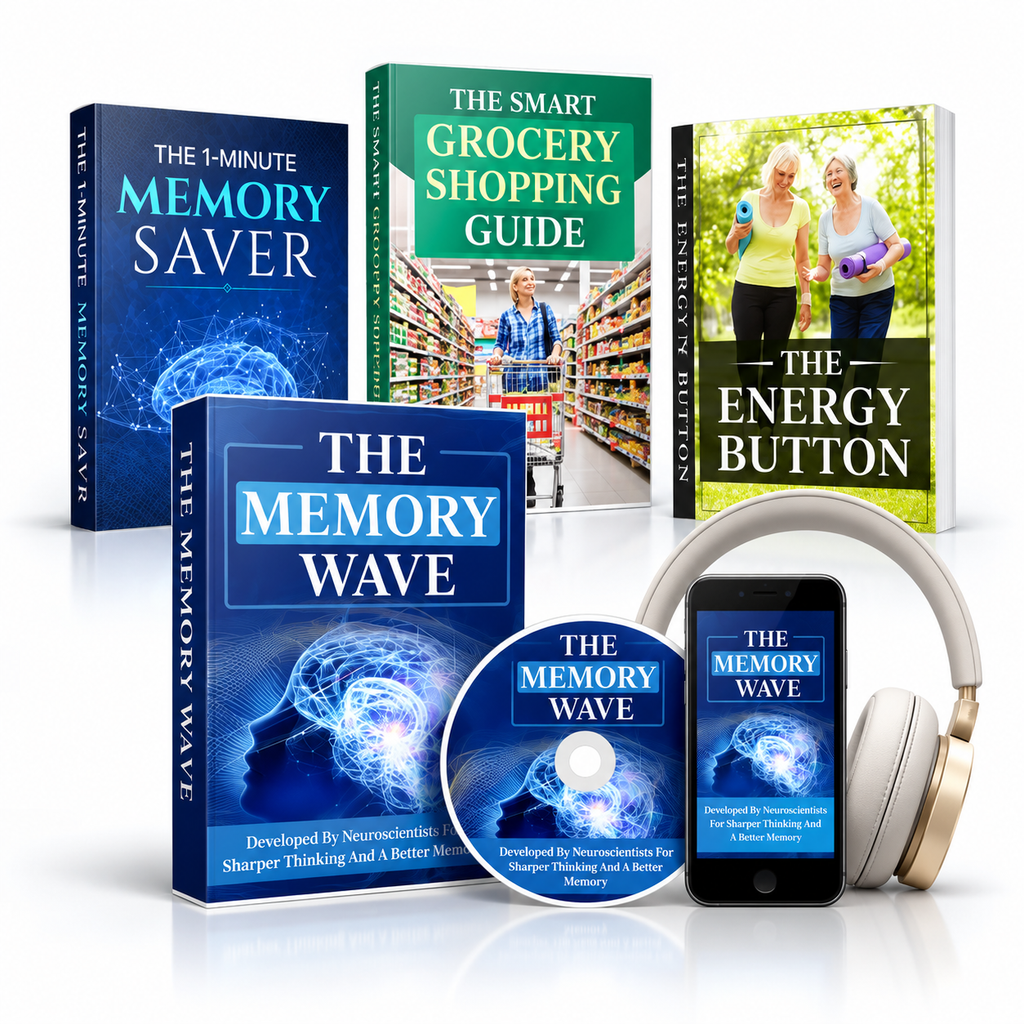
- Bonus Materials: Three digital guides advertised
- Money-Back Guarantee: 90 days, subject to the specific offer’s refund terms
This price represents a published promotional offer rather than a guaranteed price available through every seller.
Some promotional websites advertise different prices or discounts.
Customers should verify the final checkout amount, including any applicable taxes, additional offers, or optional purchases.
What Is Included With The Memory Wave?
According to published promotional materials, the purchase includes access to the main Memory Wave audio program and supporting digital resources.
The main product is a specially designed audio recording marketed for a daily listening session lasting approximately 12 minutes.
The seller also advertises instructions explaining how to access the recording, select a suitable listening environment, and follow the program.
The product is intended for use on compatible digital devices, such as smartphones, tablets, and computers.
Customers should check whether the available files and playback requirements are compatible with their devices before purchasing.
The Memory Wave Bonus Guides
Some published Memory Wave promotional offers include three digital bonus guides at no additional advertised charge.
Bonus 1: The 1-Minute Memory Saver
This guide is marketed as a resource offering practical techniques intended to support remembering and recalling information.
However, the effectiveness of the guide’s specific techniques has not been established through sufficient independent product-specific clinical research.
Bonus 2: Smart Grocery Shopping Guide
This digital guide is promoted as a resource covering grocery shopping, dietary choices, and everyday wellness.
According to promotional descriptions, it includes information about food choices and strategies for managing grocery expenses.
Customers should not interpret the inclusion of a nutrition-related guide as evidence that The Memory Wave treats memory impairment.
Bonus 3: The Energy Button
This guide is advertised as a resource containing lifestyle suggestions and activities associated with general energy and well-being.
Its promotional materials discuss everyday habits, recreational activities, and other lifestyle topics.
The inclusion of this guide does not establish that The Memory Wave produces measurable improvements in brain function or energy levels.
Bonus availability and included materials may vary between promotional offers.
Customers should verify exactly which digital resources are included before completing their purchase.
The Memory Wave Money-Back Guarantee
Published Memory Wave sales pages advertise a 90-day money-back guarantee.
According to these promotional terms, customers who are dissatisfied with the program may request a refund within the advertised refund period.
However, customers should verify the exact refund conditions through their specific checkout page and order confirmation.
Refund terms may depend on the seller and payment processor.
Customers purchasing through ClickBank can generally access its order-support system to locate their transaction and request assistance with a refund.
Before purchasing, customers should review the following details:
- Exact refund eligibility period
- Refund request instructions
- Applicable deadlines
- Seller’s customer support details
- Conditions affecting refunds or optional purchases
Customers should retain their purchase confirmation and payment receipt.
A money-back guarantee does not establish that The Memory Wave produces meaningful improvements in memory, concentration, or cognitive performance.
Where Can You Buy The Memory Wave?
The Memory Wave is primarily marketed through online promotional websites and digital checkout pages.
Customers interested in purchasing the program should use an identifiable seller and verify the final terms before payment.
Because the program is delivered digitally, customers do not ordinarily need to wait for physical shipping.
However, delivery instructions, digital access requirements, promotional bonuses, and customer support arrangements should be confirmed at checkout.
Customers should also review the seller’s privacy policy, terms of purchase, and refund conditions.
Important Pricing and Purchasing Information
The Memory Wave is marketed as a digital wellness program rather than an established medical treatment.
The advertised price, bonus guides, and money-back guarantee may change.
Customers should verify the current purchase price and refund period through the specific seller’s checkout page before ordering.
There is insufficient independent product-specific clinical evidence demonstrating that The Memory Wave reliably improves memory, prevents cognitive decline, or treats neurological disorders.
Important: The Memory Wave should not be considered a clinically proven treatment for Alzheimer’s disease, dementia, memory impairment, or other neurological conditions.
Purchasing decisions should be based on realistic expectations, verified seller information, individual circumstances, and the actual terms presented at checkout.
Affiliate Disclosure: We may earn a commission if you purchase through our affiliate link, at no additional cost to you.
Frequently Asked Questions About The Memory Wave
1. What Is The Memory Wave Used For?
The Memory Wave is a digital audio program marketed to support memory, concentration, mental clarity, and general cognitive wellness.
According to promotional materials, the program uses specially arranged sound patterns associated with brainwave entrainment and gamma-frequency research.
The seller recommends listening to the recording for approximately 12 minutes per day.
Unlike dietary supplements, The Memory Wave does not contain vitamins, minerals, or herbal ingredients.
However, the program has not been established as a clinically proven method for improving memory or treating cognitive disorders.
2. Does The Memory Wave Really Work?
The Memory Wave is promoted as an audio-based program intended to influence brainwave activity associated with memory and attention.
Scientific researchers have investigated gamma-frequency stimulation, particularly around 40 Hz, for its potential effects on neural activity and cognitive performance.
Some preliminary studies have reported improvements in selected cognitive measurements following controlled auditory stimulation.
However, other studies have observed measurable changes in brainwave activity without significant improvements in memory or attention.
These findings come from research involving specific experimental methods, not independent clinical trials of The Memory Wave.
There is insufficient product-specific clinical evidence demonstrating that The Memory Wave reliably improves memory, concentration, or long-term cognitive performance.
3. How Does The Memory Wave Work?
According to promotional materials, The Memory Wave uses audio patterns intended to encourage brainwave entrainment.
Brainwave entrainment refers to measurable responses in brain electrical activity that may occur when a person experiences certain rhythmic sensory signals.
The seller emphasizes gamma brainwaves, which have been investigated in relation to attention, learning, memory processing, and communication between neural networks.
The advertised program involves listening to a specially designed audio recording for approximately 12 minutes daily.
However, the exact neurological effects of the finished commercial recording have not been independently established.
Producing a measurable response in brainwave activity does not necessarily result in improved memory, faster learning, or greater mental clarity.
4. Is The Memory Wave Safe to Use?
The Memory Wave is a non-ingestible digital audio program, so it does not carry the same ingredient-related medication interaction concerns as dietary supplements.
However, audio listening still requires appropriate precautions.
Listening at excessive volume can contribute to hearing damage, particularly with repeated exposure.
Some individuals may also experience discomfort from particular sounds, especially those with tinnitus, hyperacusis, migraines, or sound sensitivity.
People with epilepsy or a history of sound-triggered seizures should consult their healthcare professional before using unfamiliar brainwave-stimulation recordings.
Users should keep the volume comfortable and avoid listening while driving or operating machinery.
The long-term safety of the complete Memory Wave recording has not been established through sufficient independent product-specific clinical research.
5. Can The Memory Wave Improve Memory or Prevent Dementia?
The Memory Wave is marketed toward adults interested in supporting memory, everyday recall, and normal cognitive functioning.
Gamma-frequency stimulation has attracted scientific interest because of its possible involvement in memory-related neural processes.
Some early studies have investigated controlled gamma stimulation in people with cognitive impairment.
However, these studies often use specialized equipment, defined stimulation protocols, and longer sessions than The Memory Wave’s advertised 12-minute recording.
There is insufficient independent clinical evidence demonstrating that The Memory Wave prevents dementia, reverses Alzheimer’s disease, restores damaged brain cells, or reliably improves memory.
The program should not replace neurological evaluation or medically recommended treatment.
People experiencing persistent forgetfulness, confusion, or worsening cognitive difficulties should consult a qualified healthcare professional.
6. How Much Does The Memory Wave Cost?
One published Memory Wave promotional offer advertises the complete digital program for a one-time payment of $39.
The advertised package includes:
- The main digital audio program
- Approximately 12-minute daily listening sessions
- Digital access and listening instructions
- Three promotional bonus guides
- No physical shipping requirement
Some promotional websites advertise different prices or discounts.
Customers should verify the current purchase price, applicable taxes, optional additional purchases, and final checkout amount before ordering.
The advertised price does not establish that the program produces clinically meaningful improvements in memory or cognitive performance.
7. Does The Memory Wave Offer a Money-Back Guarantee?
Some published Memory Wave promotional offers advertise a 90-day money-back guarantee.
According to these offers, customers who are dissatisfied with the program may request a refund during the advertised eligibility period.
However, refund policies can differ depending on the seller, checkout terms, and payment processor.
ClickBank generally applies a standard 60-day refund period unless different terms are established for the product.
Customers should verify the applicable refund period on the specific checkout page used for their purchase.
Before ordering, they should review the refund deadline, eligibility requirements, instructions for requesting a refund, and seller contact information.
Customers should keep their purchase confirmation and transaction details in case they need assistance.
A money-back guarantee does not demonstrate that The Memory Wave provides guaranteed improvements in memory, concentration, or cognitive health.
Final Verdict: Is The Memory Wave Worth Buying?
The Memory Wave is a digital audio program marketed to support memory, concentration, mental clarity, and overall cognitive wellness through sound-based stimulation.
Unlike traditional brain-health supplements, The Memory Wave does not contain vitamins, minerals, or herbal ingredients. Instead, it offers an audio recording designed for approximately 12 minutes of daily listening.
The program’s promotional materials reference gamma brainwaves and brainwave entrainment, which are legitimate subjects of neuroscience research.
However, there is insufficient independent product-specific clinical evidence demonstrating that The Memory Wave reliably improves memory, prevents cognitive decline, or produces lasting improvements in brain function.
What We Like About The Memory Wave
- The program offers a convenient digital audio format that does not require swallowing supplements.
- The advertised listening session lasts approximately 12 minutes, making it relatively easy to incorporate into a daily routine.
- The program can be accessed using compatible digital devices, subject to the seller’s instructions.
- Gamma-frequency brain stimulation is an active area of scientific research.
- Some preliminary studies have reported promising findings involving carefully controlled auditory or audiovisual stimulation.
- The digital format generally eliminates the need for physical shipping.
- Certain promotional packages include additional digital guides.
- Some sellers advertise a money-back guarantee, subject to their current refund conditions.
Things to Consider Before Buying
- There is insufficient independent clinical evidence demonstrating that The Memory Wave itself improves memory, attention, or concentration.
- Scientific findings involving specialized gamma-frequency stimulation cannot automatically be applied to this commercial audio program.
- The product has not been established as a treatment for Alzheimer’s disease, dementia, or age-related cognitive decline.
- The seller’s claims involving brainwave activation, cognitive enhancement, or brain waste removal should not be treated as clinically proven outcomes.
- Some listeners may experience discomfort from particular sounds, especially individuals with sound sensitivity or hearing-related conditions.
- Excessively loud headphone playback can contribute to hearing damage.
- The exact neurological effects and long-term safety of the finished commercial recording have not been adequately established through independent clinical trials.
- Customers should verify device compatibility, digital access instructions, advertised bonuses, and refund conditions before purchasing.
- Promotional prices and refund periods may differ between sellers.
Our Final Verdict
The Memory Wave may appeal to adults who enjoy audio-based wellness activities and are interested in exploring sound-based relaxation or cognitive wellness routines.
Its digital format is convenient, and the advertised 12-minute listening session may be manageable for people who prefer short activities.
The program also draws attention to gamma-frequency brain stimulation, an area of neuroscience that researchers continue to investigate.
However, we would not recommend relying on The Memory Wave to restore lost memory, prevent dementia, reverse Alzheimer’s disease, or treat neurological conditions.
There is insufficient independent clinical evidence demonstrating that the complete commercial audio program produces these outcomes.
Although certain experimental studies have observed measurable changes in brain activity following controlled gamma-frequency stimulation, these findings do not establish that The Memory Wave provides equivalent benefits.
Research has also produced mixed cognitive results, highlighting the difference between measurable brainwave responses and meaningful improvements in memory or attention.
Individuals interested in maintaining cognitive health should prioritize adequate sleep, regular physical activity, balanced nutrition, social engagement, and appropriate management of existing medical conditions.
People experiencing persistent forgetfulness, confusion, or worsening cognitive difficulties should consult a qualified healthcare professional rather than relying solely on commercial audio programs.
For readers who remain interested in The Memory Wave as an optional listening-based wellness activity, we recommend reviewing the seller’s current product description, price, digital access instructions, bonus materials, and refund policy before purchasing.
The advertised money-back guarantee may provide some purchasing flexibility, but it does not establish that the program delivers clinically meaningful cognitive benefits.
Final Recommendation: The Memory Wave should be viewed as an optional digital wellness audio program rather than a clinically proven method for improving memory or preventing neurological disease. Purchasing decisions should be based on realistic expectations, individual circumstances, verified seller information, and an understanding of the limitations of current scientific evidence.